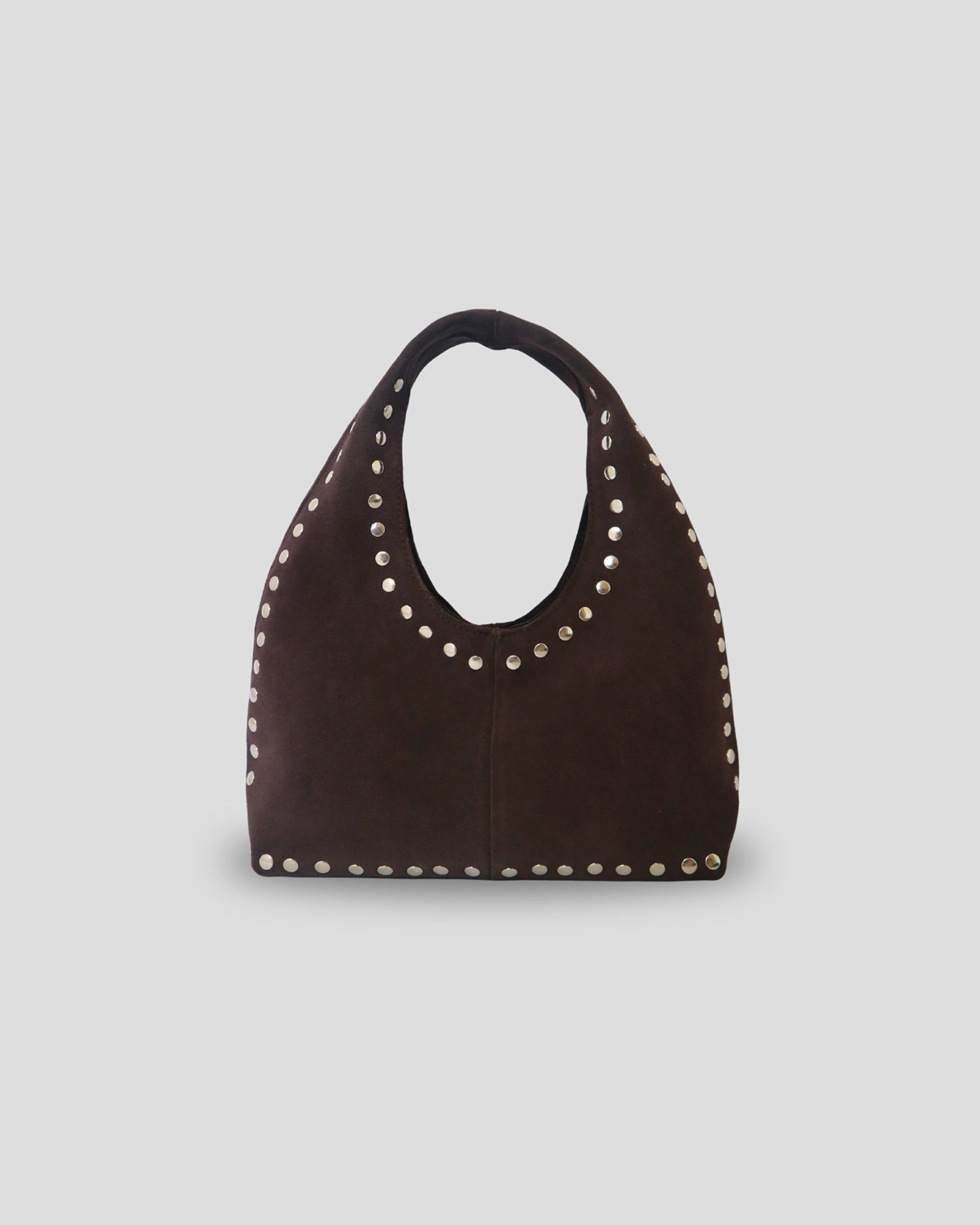
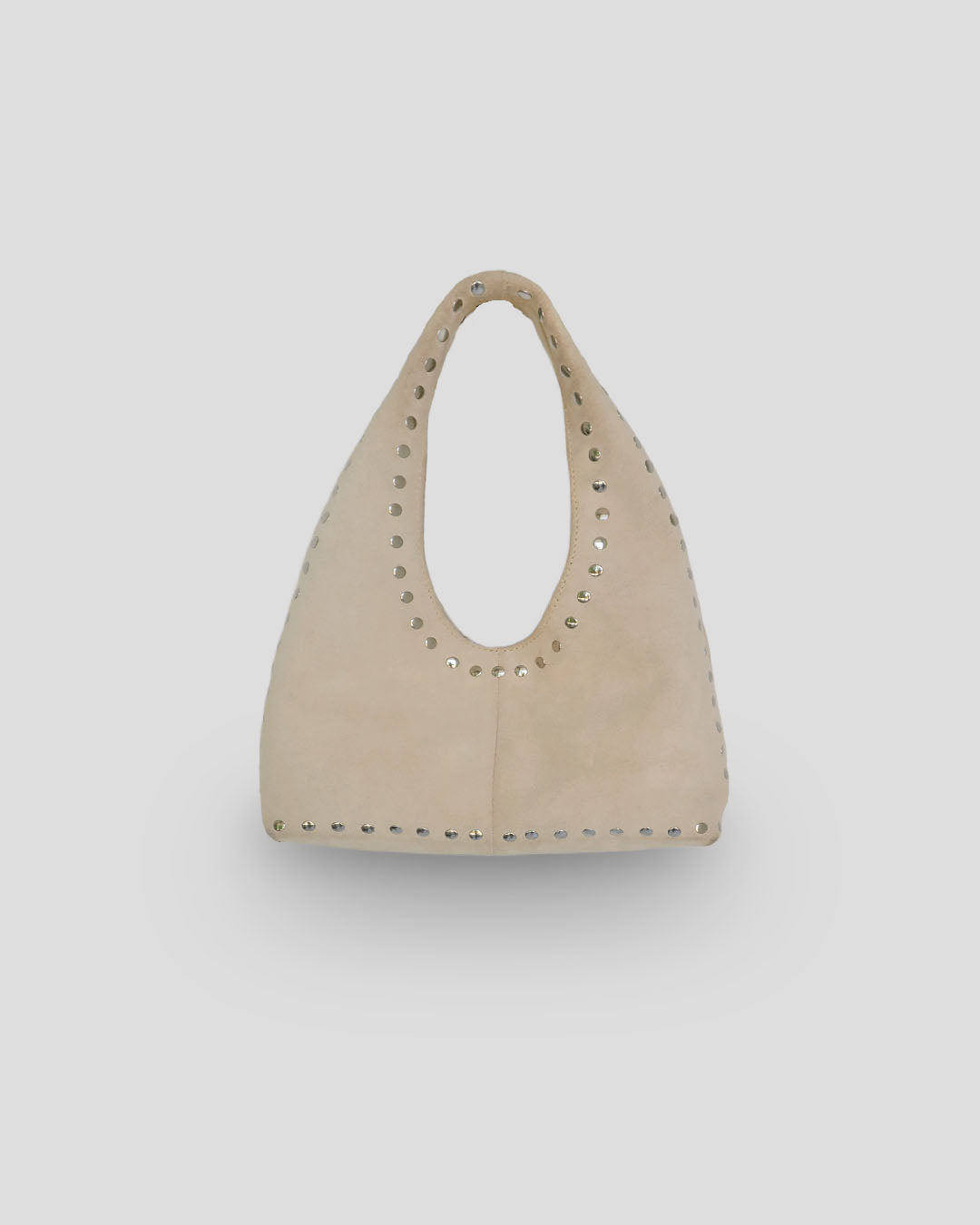
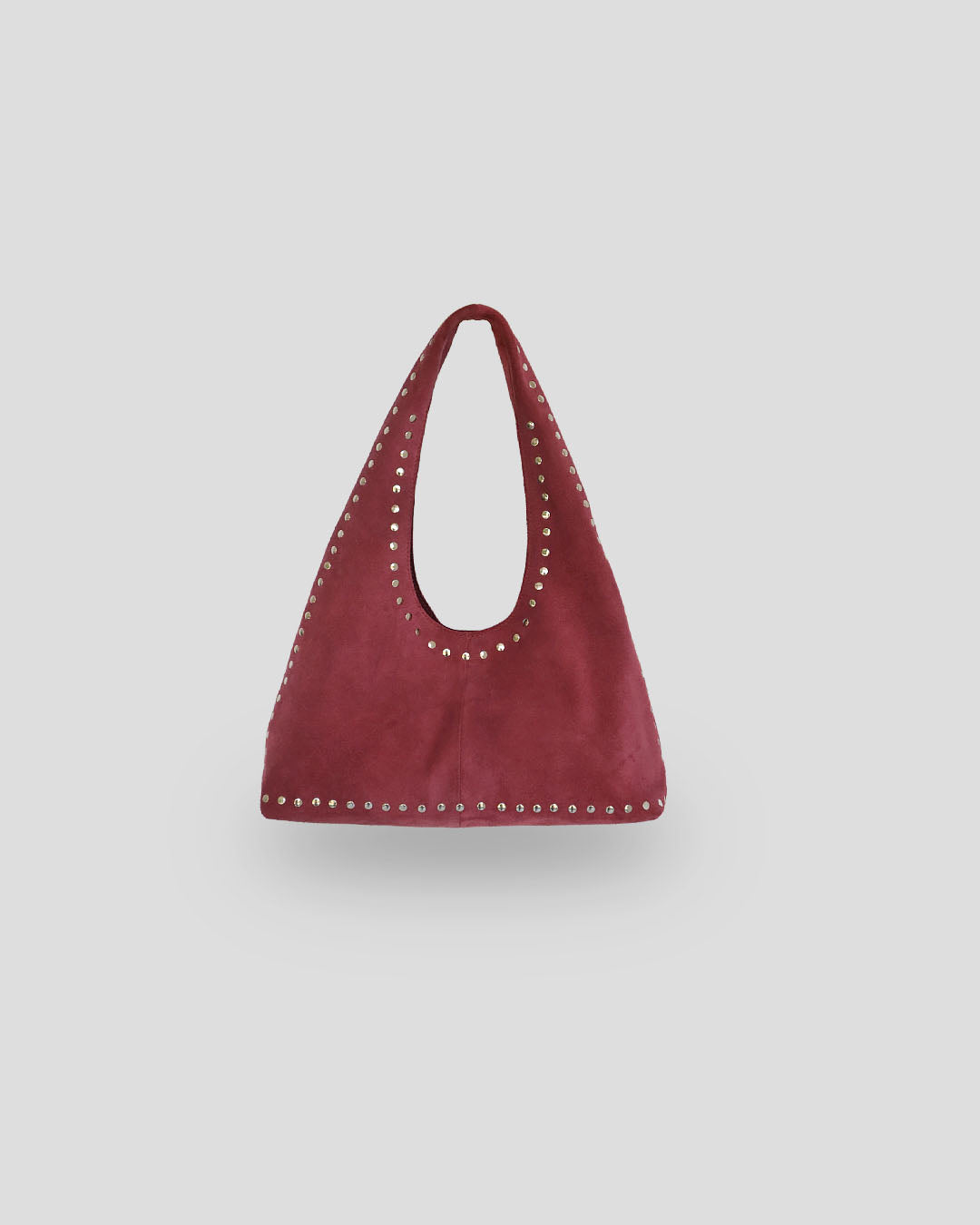
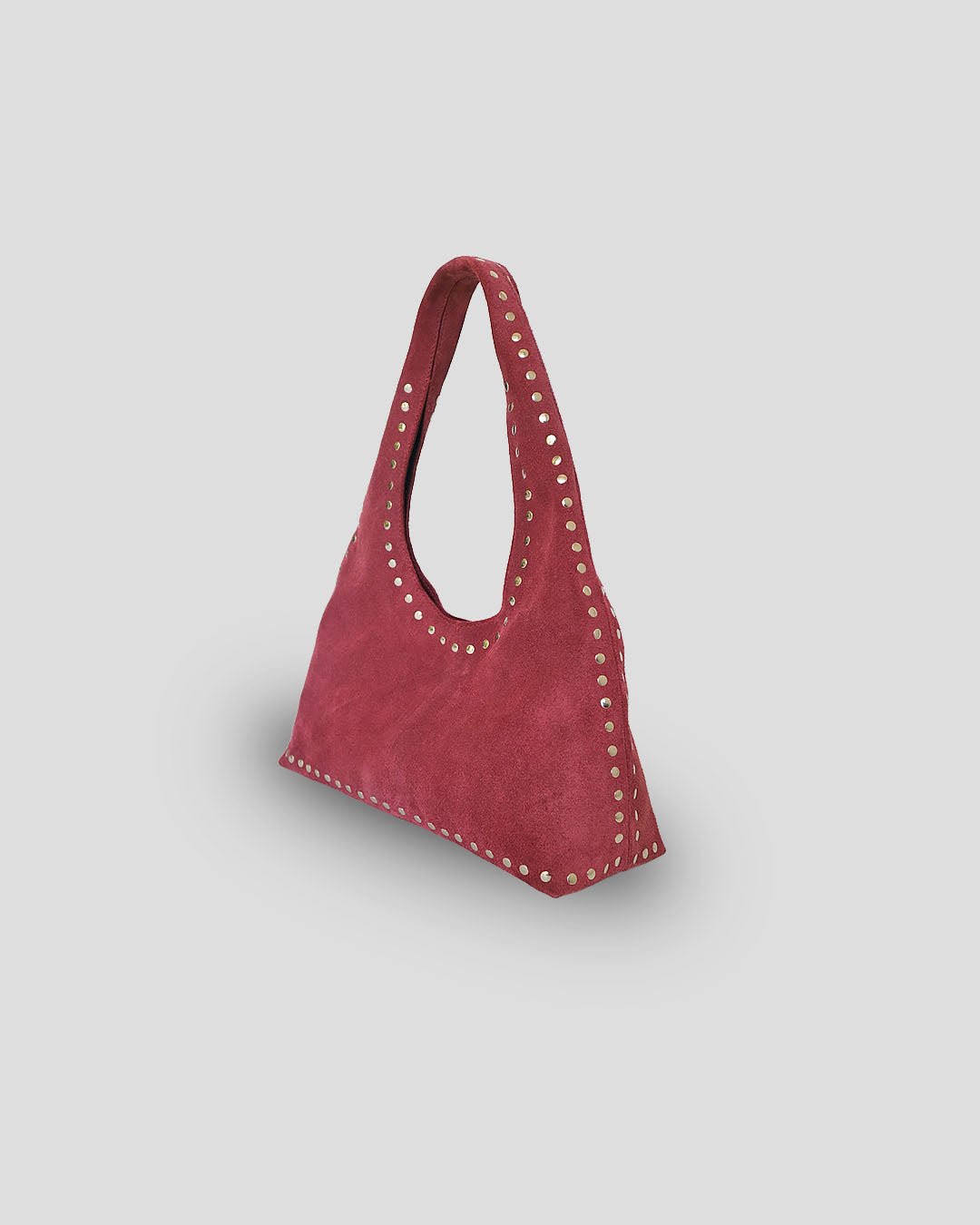
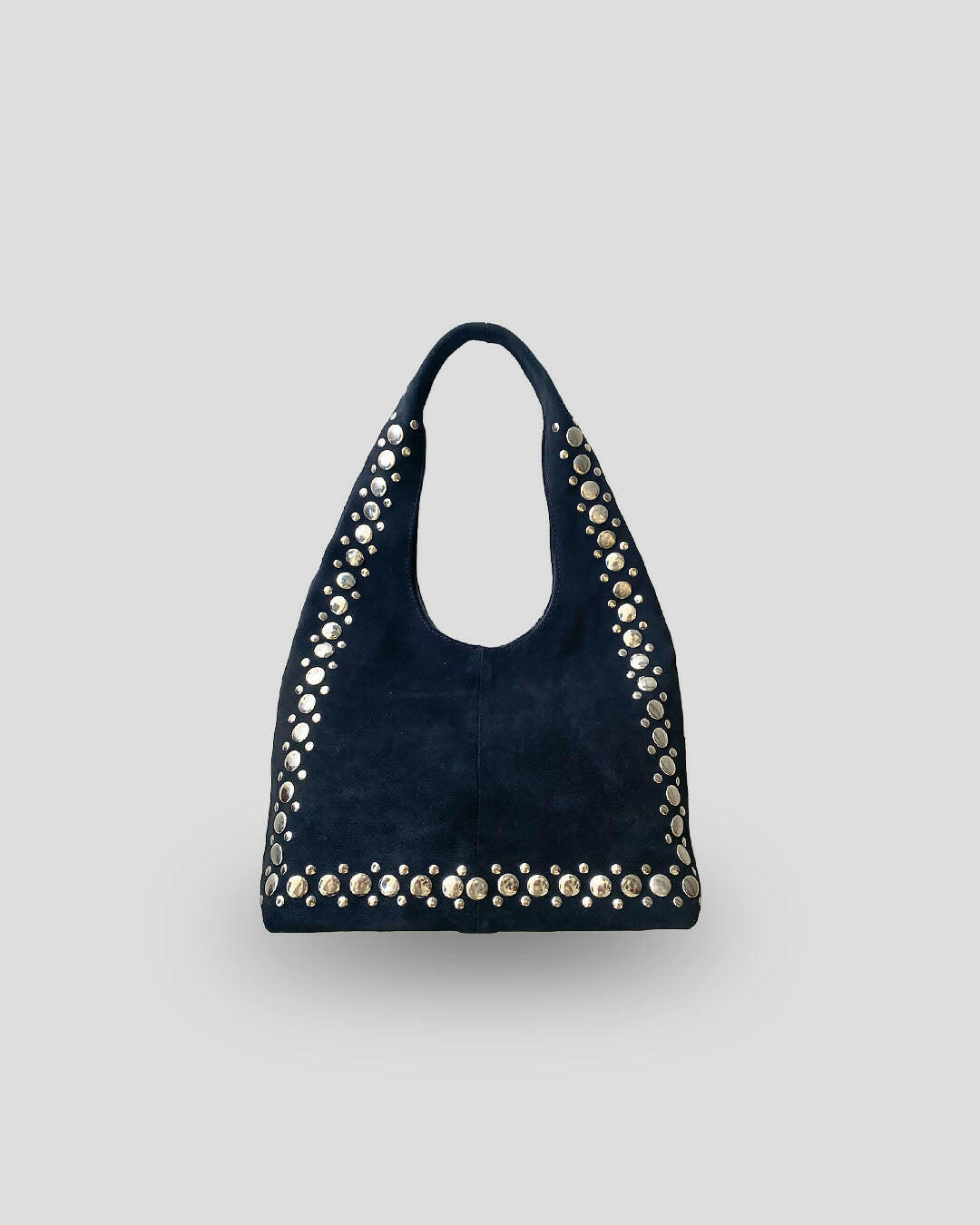
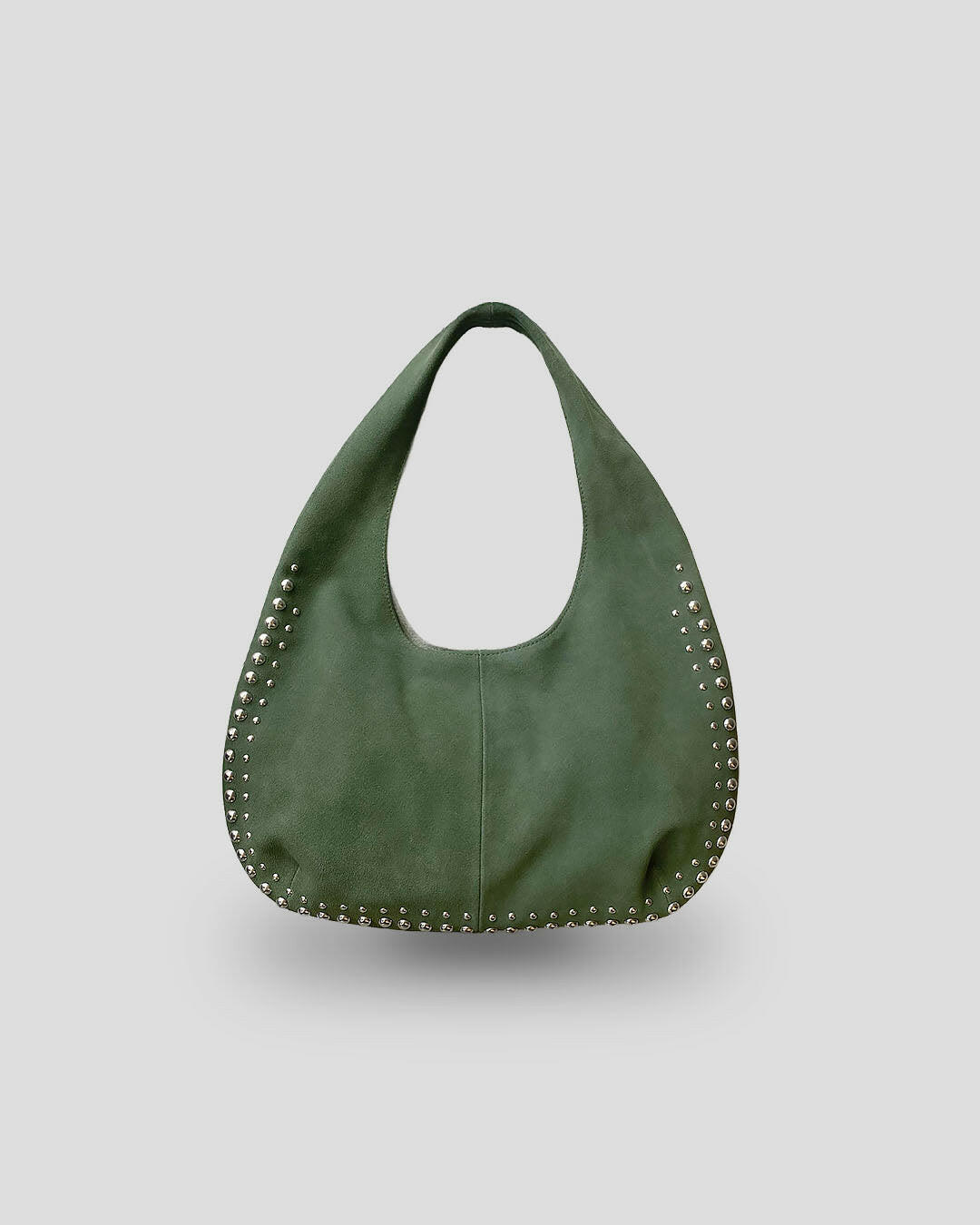
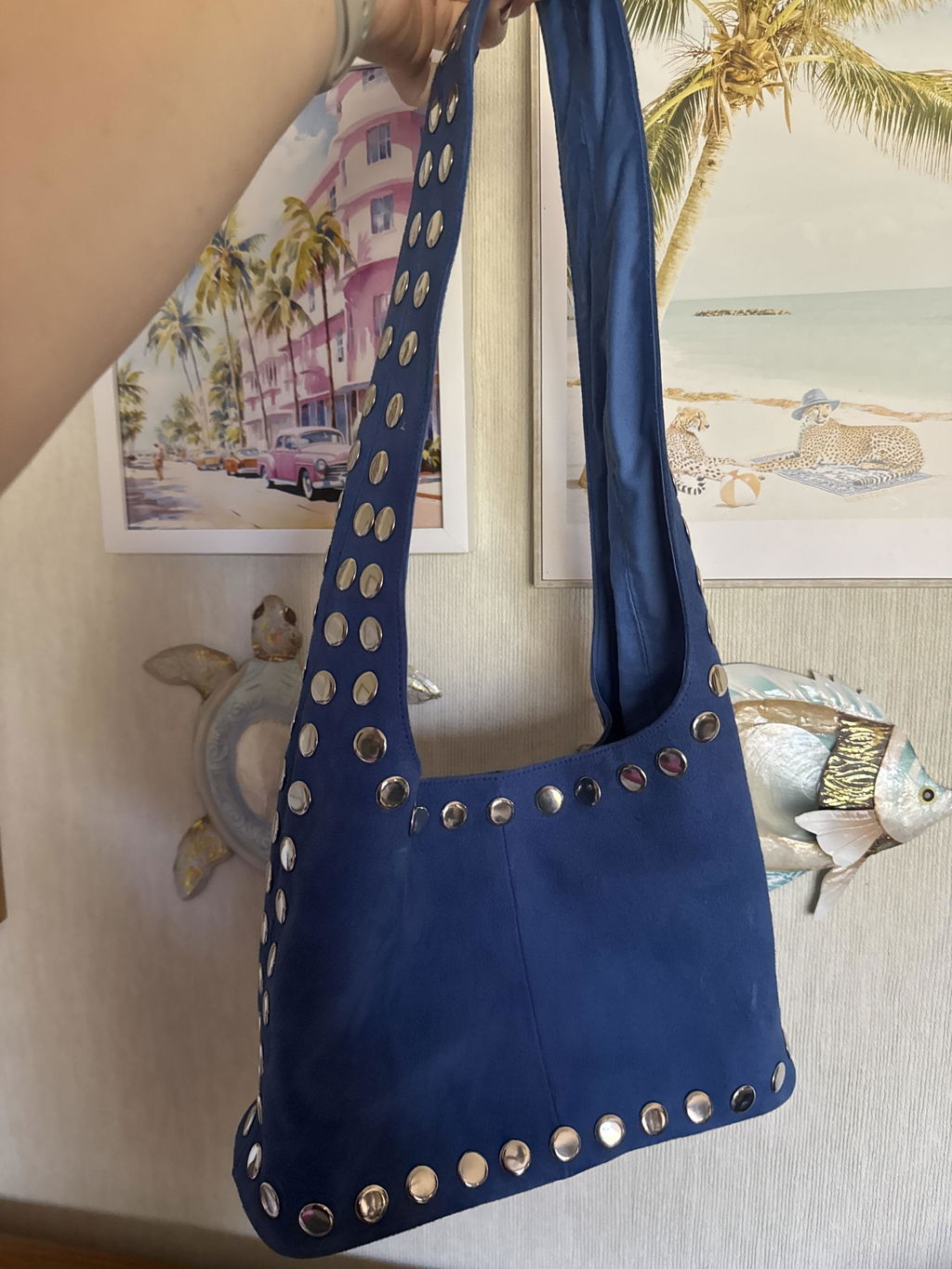
When people evaluate a leather bag, they typically focus on the leather itself. But there's another factor that separates a well-made bag from a poor one, and it often gets overlooked: the hardware.
Zippers, buckles, clasps, D-rings, rivets, snaps — the metal fittings on a leather bag play a critical role in how long it lasts, how smoothly it functions, and how good it looks over time. This guide covers everything you need to know about leather bag hardware so you can make informed decisions when choosing your next bag.
Why Hardware Matters
Think about how often you use the hardware on your bag. Every time you open a zip, fasten a buckle, clip a strap, or snap a closure, you're engaging the hardware. On a bag you use daily, that's dozens of interactions every single day.
Cheap hardware fails. It sticks, it tarnishes, it corrodes, it breaks. And when hardware fails on a bag, the entire bag becomes unusable — regardless of how good the leather is.
Quality hardware, on the other hand, functions smoothly for years. It enhances the look of the bag, adds weight and solidity that communicates quality, and holds up to the kind of daily use a good bag should be able to handle.
Types of Leather Bag Hardware
1. Zippers
Zippers are the most frequently used hardware on most bags. They should:
- Open and close smoothly with minimal friction
- Have a solid, weighty pull tab
- Align properly — the two sides of the zip should meet evenly
- Resist snagging on lining or leather
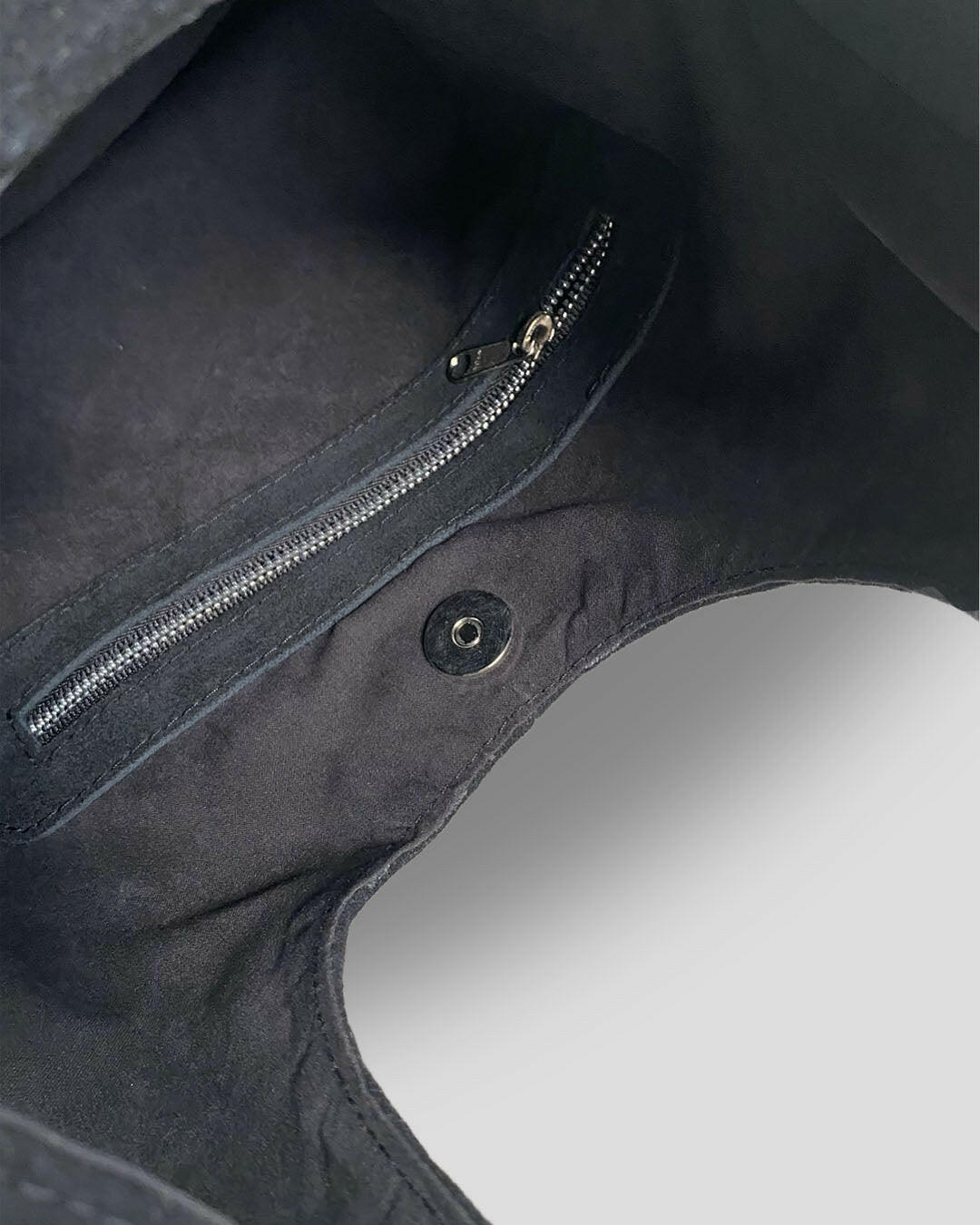
The best bag zippers are made from brass or solid metal. YKK is the gold standard in bag zipper manufacturing — if a brand uses YKK zippers, it's a positive quality signal. Avoid bags with plastic zippers, which crack and fail quickly.
2. Buckles
Buckles are used on straps, closures, and flaps. Quality buckles are:
- Made from solid brass or zinc alloy
- Cast or machined (not stamped from thin sheet metal)
- Properly finished — smooth edges, consistent plating
- Sized appropriately for the strap width
When you press on a quality buckle, it should feel substantial and solid. Cheap buckles flex or feel hollow.
3. Clasps and Turn Locks
Classic turn-lock clasps (the kind you twist to open) are a hallmark of quality leather goods. They should:
- Turn smoothly and lock firmly
- Sit flush against the leather when closed
- Be properly weighted — not flimsy or rattling
Push-button clasps, magnetic snaps, and hook-and-loop closures are common in mid-range bags. Magnetic snaps are convenient and durable when properly reinforced. Always check that the leather around the snap is reinforced — unsupported snaps can tear through the leather over time.
4. D-Rings and O-Rings
These attachment points are used for straps and carry handles. They should:
- Be made from cast metal, not stamped
- Rotate freely under load
- Be anchored securely — look for riveted or stitched attachment, not just glued
Rings are stress points — they bear the full weight of the bag and its contents every time you lift it. Cheap rings bend or separate from their attachments under load.
5. Rivets
Rivets reinforce high-stress attachment points — where straps meet the bag body, where handles attach, and at corners that take impact. Quality rivets are:
- Made from brass or solid copper
- Properly set — flush and evenly compressed
- Double-sided where appropriate (cap on both sides)
6. Feet
Bag feet — the small studs on the base of structured bags — protect the leather from surface contact and wear. Quality feet are:
- Made from solid metal, not plastic
- Properly anchored through the bag base with internal washers
- Sized appropriately to provide genuine protection
What to Look For When Buying a Leather Bag
Here's a quick hardware checklist to run through when evaluating any leather bag:
- Do the zippers run smoothly? Test them multiple times.
- Do the buckles and clasps feel solid? Press and flex them lightly.
- Are D-rings and attachment points properly riveted or stitched?
- Does the hardware match in finish? Inconsistency often indicates mixed-quality sourcing.
- Are there bag feet on the base? Are they solid metal?
- Does all hardware feel appropriately heavy? Weight indicates solid material.
Nam Leather Hardware Standards
At Nam Leather, we source hardware that meets the same standard as our leather. Every zip, buckle, clasp, and rivet is selected for durability, smooth function, and aesthetic quality.
We don't mix premium leather with budget hardware. The hardware you find on a Nam Leather bag has been chosen to last as long as the leather does — which means years of daily use without failure.
Conclusion
Hardware is half the story of a well-made leather bag. Great leather with poor hardware will still fail you. Great leather with quality hardware gives you a bag that lasts and works beautifully every single day.
Nam Leather bags are built complete — from the hide to the hardware.