Bali is globally recognised for its artistic traditions — intricate woodcarving, gold and silversmithing, batik weaving, and stone sculpture. But one craft that receives less attention on the world stage, despite a rich and long-standing heritage, is leather craftsmanship.
The leather craft tradition in Bali has deep roots that stretch back centuries — shaped by cultural necessity, Hindu artistic tradition, and the island's trade connections with the wider region. Today, that tradition lives on in the work of contemporary makers like Nam Leather, who blend Balinese craft heritage with modern design sensibility.
Leather in Balinese Cultural Tradition
Leather has held an important place in Balinese culture long before tourism put the island on the map. Traditionally, leather was used for practical and ceremonial purposes:
Wayang Kulit (Shadow Puppetry)
One of the most significant uses of leather in Balinese tradition is in the creation of wayang kulit — shadow puppets. These intricately carved figures are made from buffalo hide, treated, stretched, and cut into elaborate character shapes. Wayang kulit performances are closely tied to Hindu spiritual practice and continue to be an active cultural tradition across Bali and Java.
The skill required to craft wayang kulit — selecting and preparing the hide, carving fine detail, dyeing, and finishing — established a foundational tradition of leather artisanship on the island.
Saddlery and Working Leather
Before mechanisation, leather was essential for agriculture, transport, and daily life. Saddles, harnesses, belts, and working pouches were made by local craftspeople. This practical tradition of working with leather hides built a community of artisans with deep knowledge of material and technique.
Ornamentation and Ritual
Leather was also used in traditional Balinese ceremonial dress and religious objects. The material's durability and ability to be shaped and decorated made it valuable for both functional and sacred purposes.
The Influence of Trade
Bali's position as a trading hub in maritime Southeast Asia brought it into contact with a wide range of cultural influences — including leather goods from Arabic, Indian, and European traders. As new styles and techniques arrived through trade, Balinese artisans absorbed and adapted them, integrating foreign methods with local materials and aesthetic sensibilities.
This cultural exchange enriched the leather tradition in Bali, introducing new tanning methods, new stitching techniques, and new design vocabularies that blended with existing Balinese craft.
The Modern Evolution: From Village Craft to Global Market
The mid-20th century marked a turning point for leather craft in Bali. As international tourism began to grow, demand for locally made goods — including leather accessories, bags, sandals, and belts — created a new commercial market for Balinese artisans.
Leather workshops and craft centres expanded, particularly in areas like Ubud, Seminyak, and later Canggu. The focus shifted from purely traditional and ceremonial goods to contemporary fashion accessories that could be sold to international visitors.
This commercialisation brought both opportunity and challenge. On one hand, it created sustainable livelihoods for skilled craftspeople and helped preserve practical leather skills. On the other hand, increased demand put pressure on quality — leading to the rise of cheaper, mass-produced leather goods that don't reflect the genuine craft tradition.
Leather Craft in Canggu Today
Canggu has emerged as a creative centre within Bali's modern craft landscape. Its mix of local artisans, international designers, and globally connected buyers has created an environment where genuine craftsmanship is valued and rewarded.
Brands operating in Canggu today — including Nam Leather — sit at the intersection of Bali's traditional craft heritage and the demands of the contemporary global market. They use genuine leather, employ skilled artisans, and produce work that reflects both historical craft knowledge and modern design thinking.
Nam Leather and the Balinese Craft Tradition
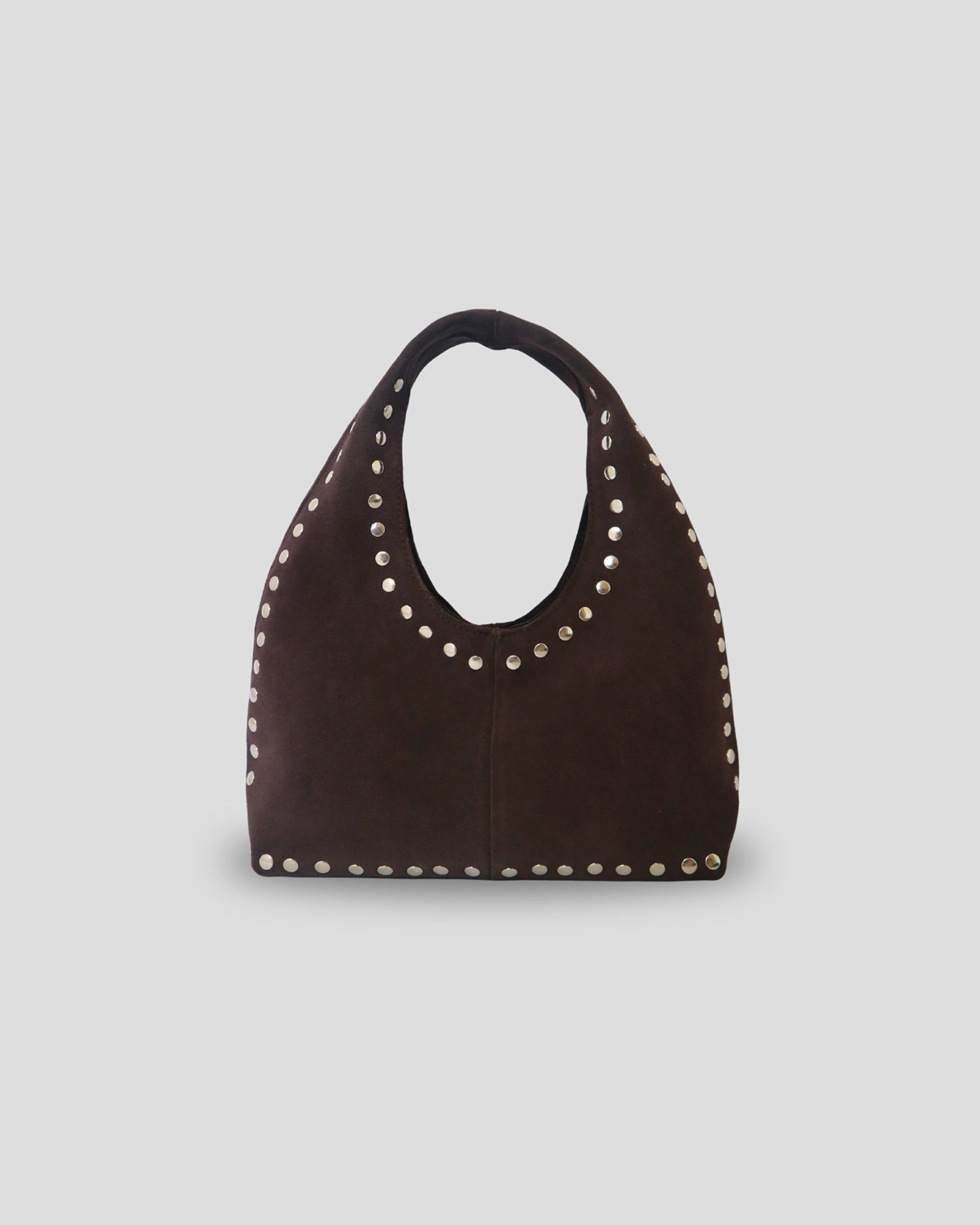
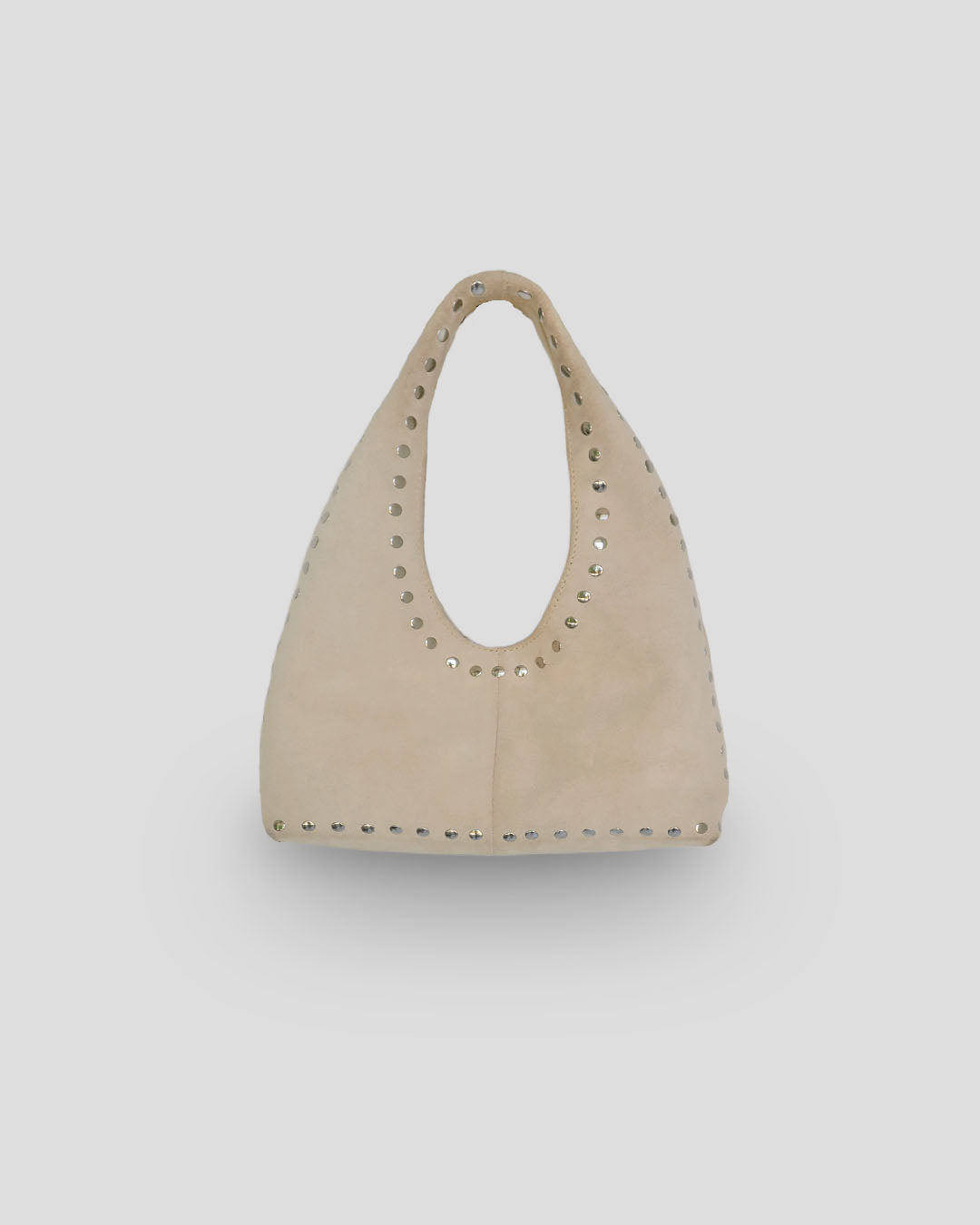
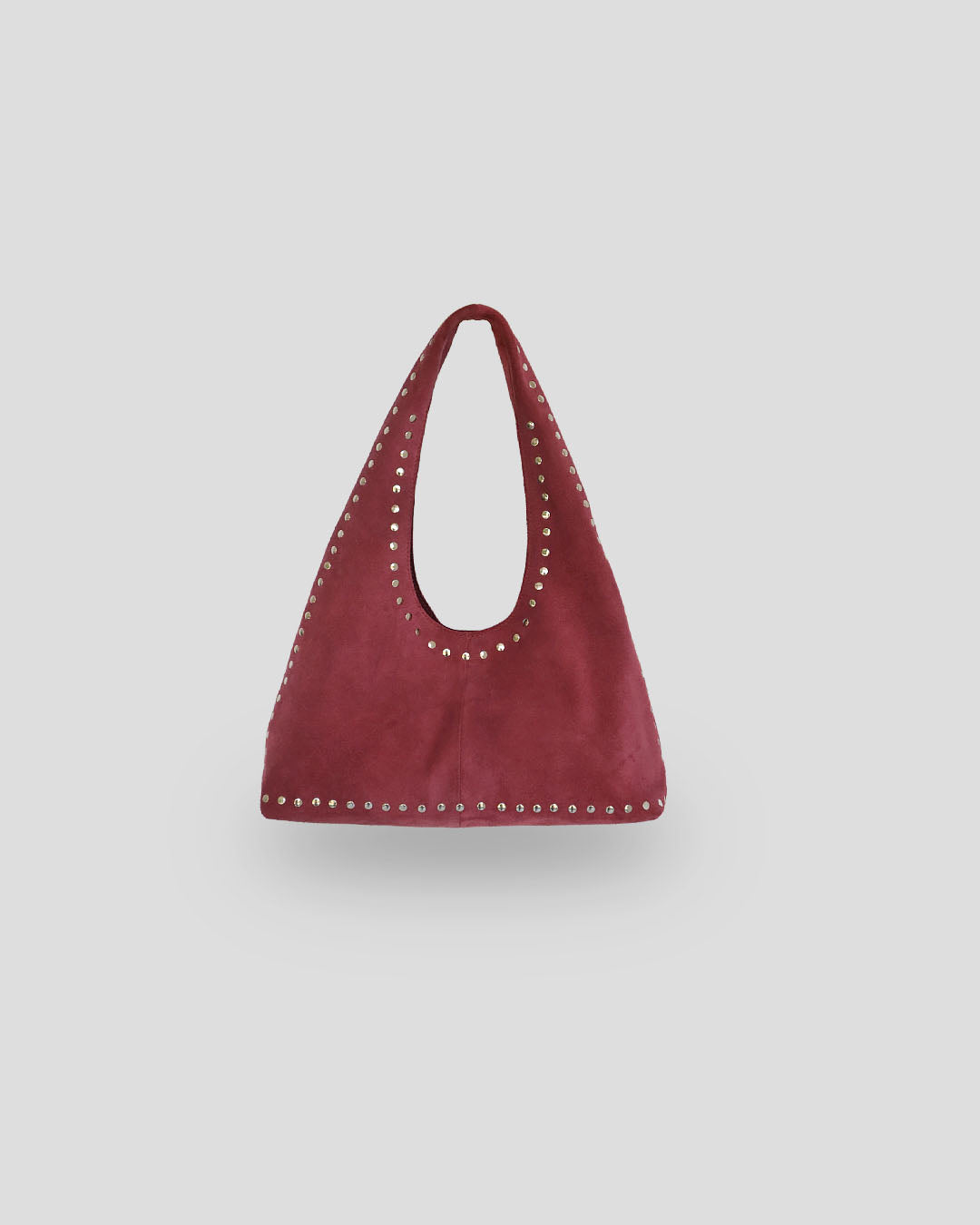
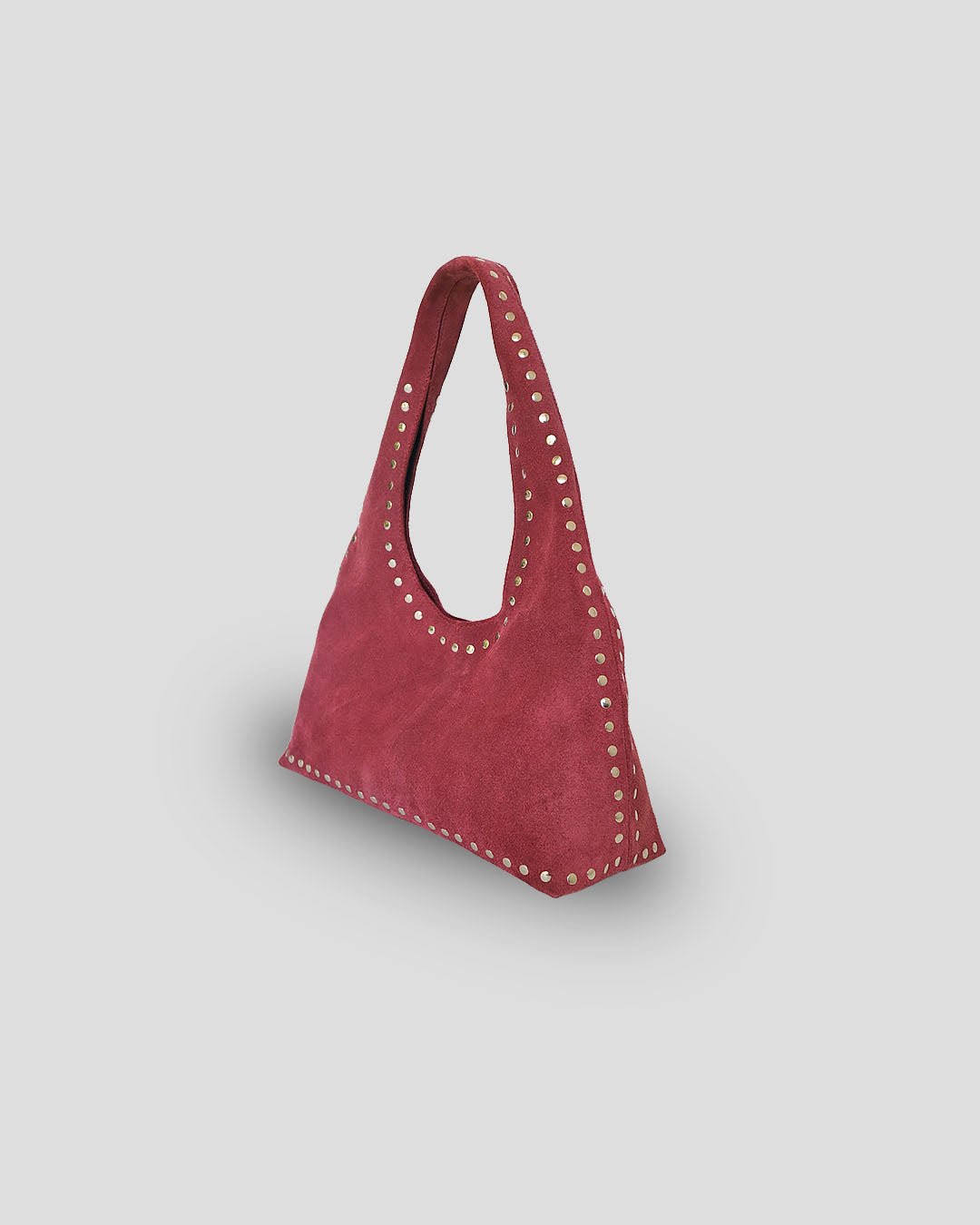
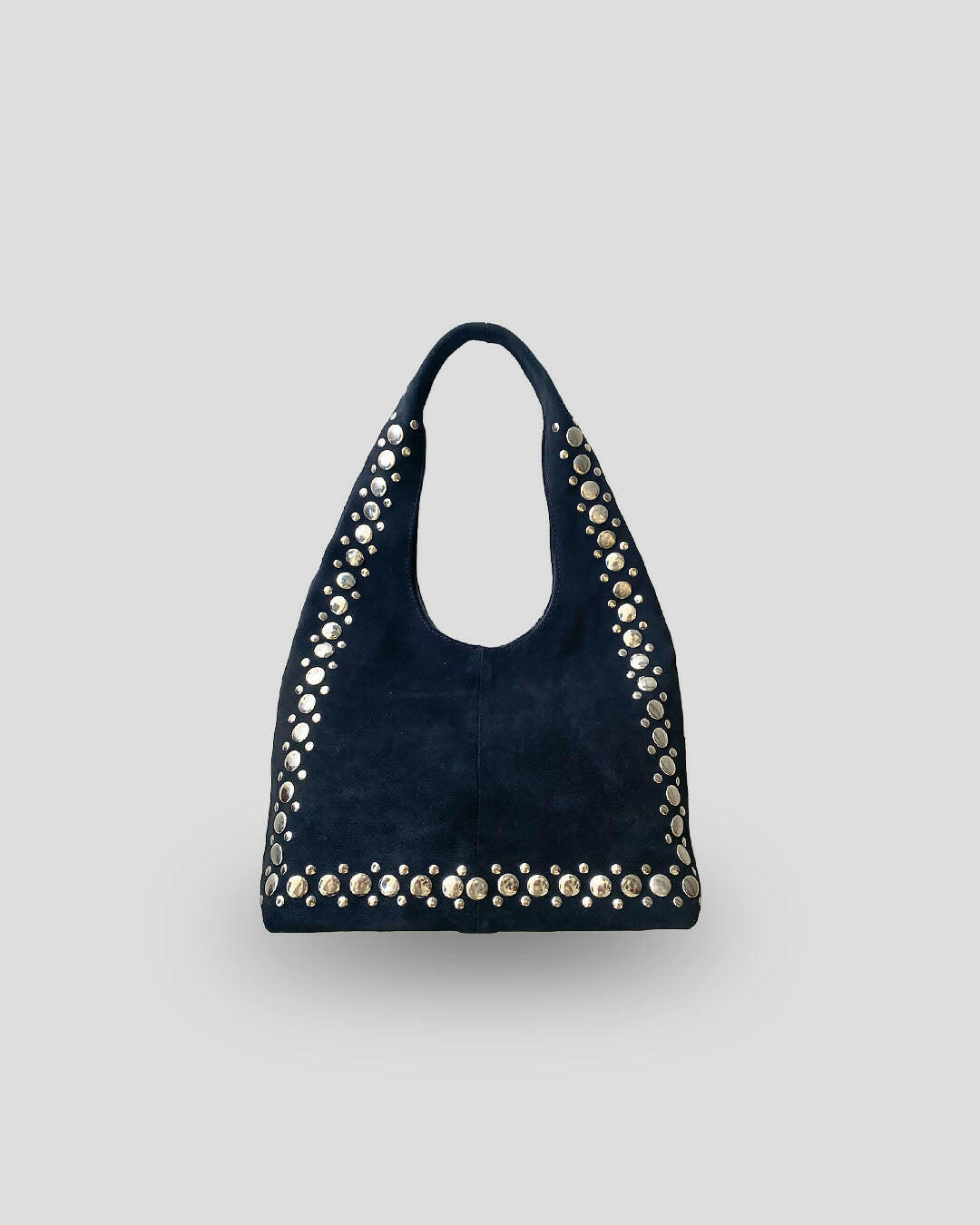
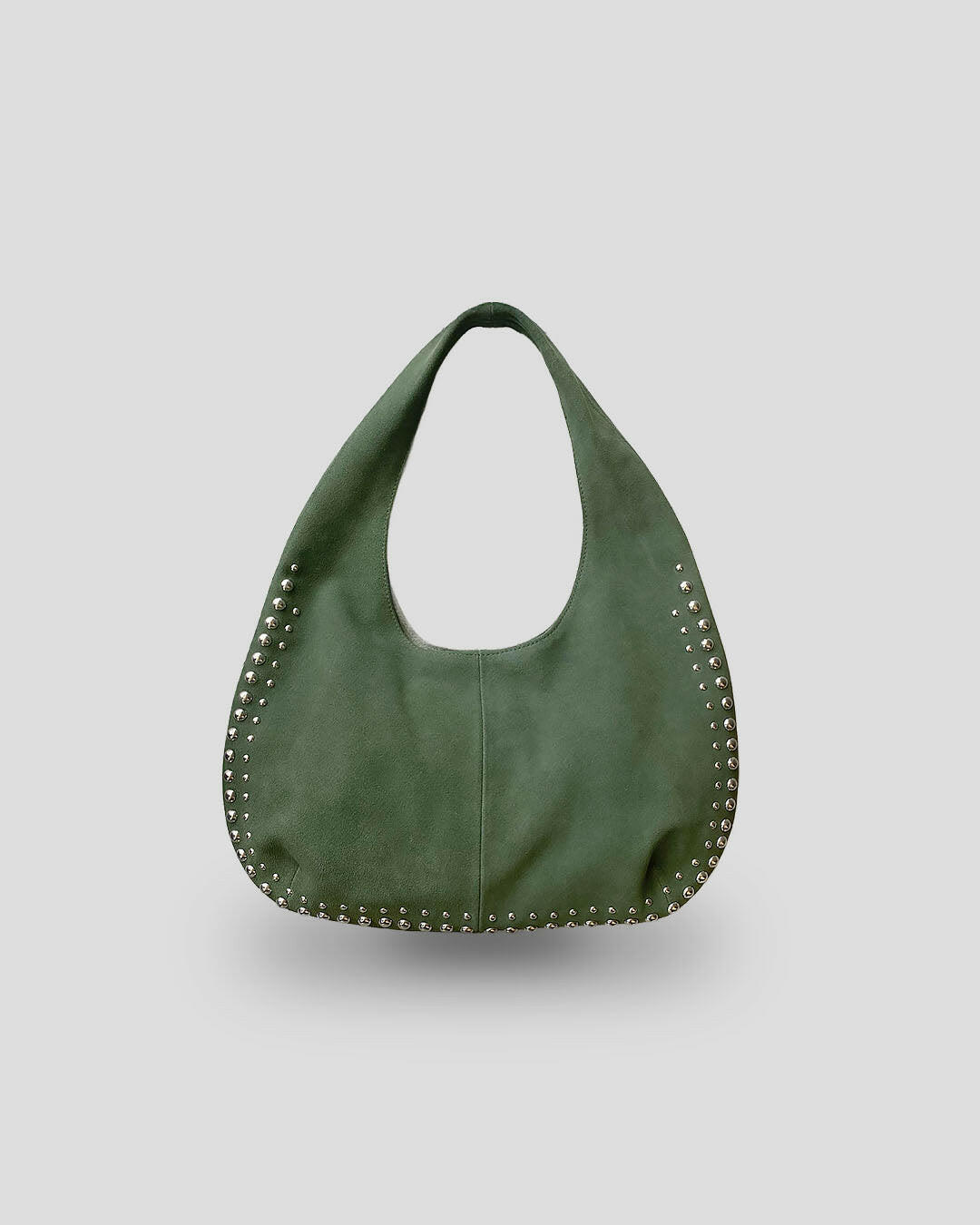
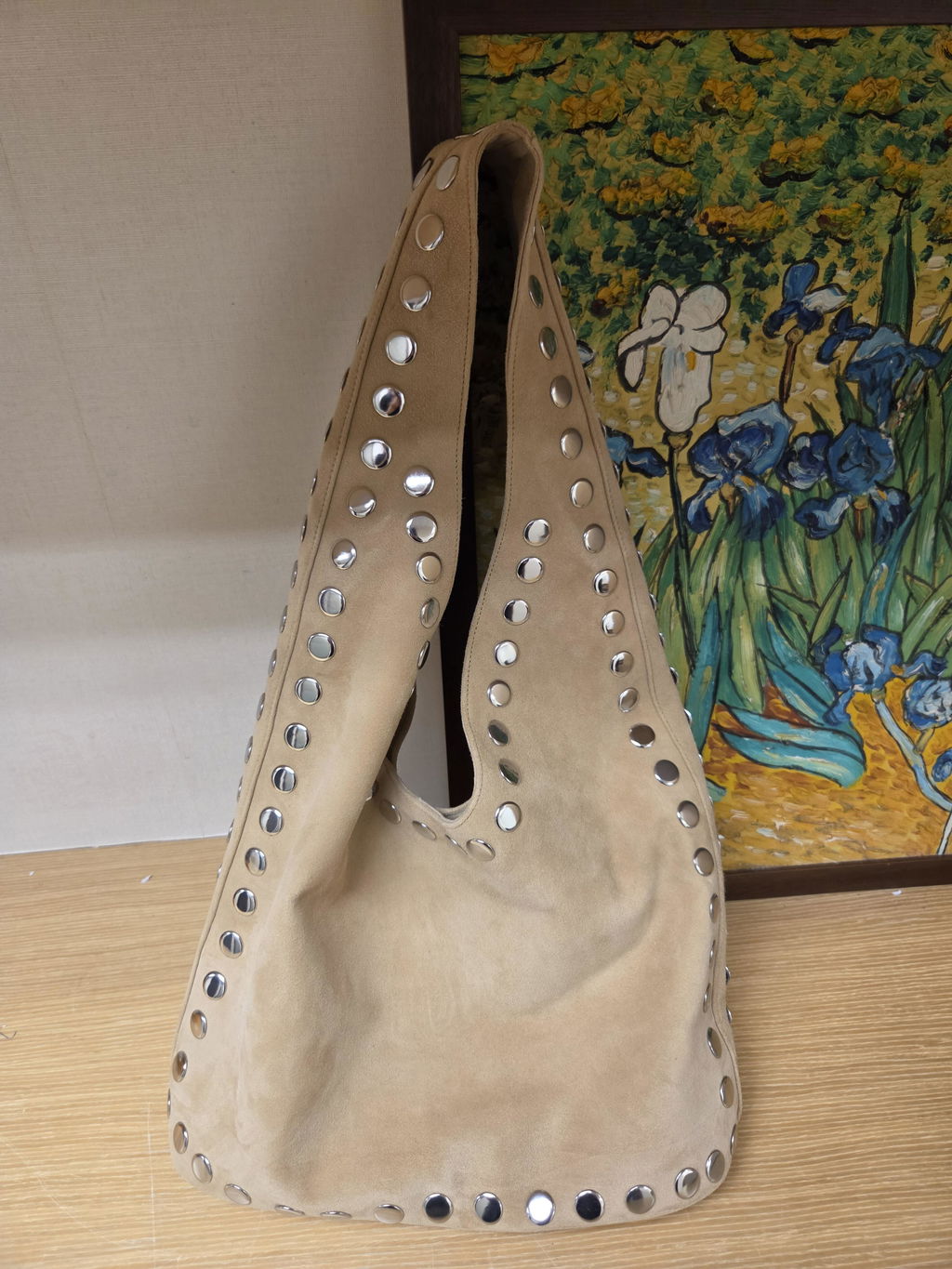
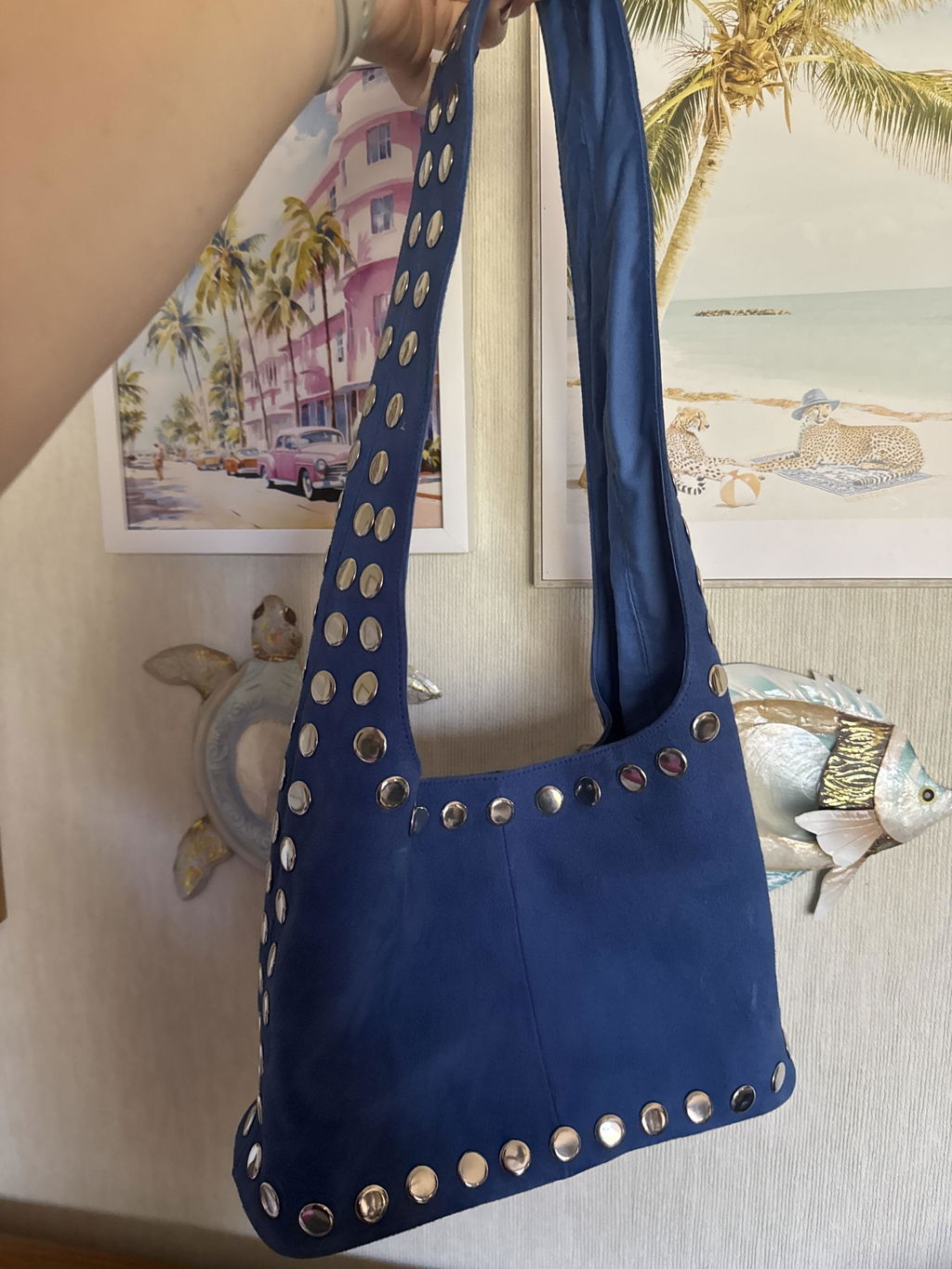
Nam Leather is rooted in Canggu and deeply connected to Bali's artisan community. Our bags are made by skilled craftspeople who carry forward the technical knowledge that has been part of this island's leather tradition for generations — while designing products for the needs of modern buyers worldwide.
We believe that genuine leather craftsmanship is worth preserving. Not as a museum piece, but as a living practice — one that creates meaningful products, sustains artisan livelihoods, and connects buyers around the world to something genuinely made.
Conclusion
The history of leather craft in Bali is a story of tradition, adaptation, and resilience. From wayang kulit to contemporary handcrafted bags, leather has been part of Bali's artistic and cultural identity for centuries. Nam Leather is proud to be part of that continuing story.