News
How to Clean and Maintain Your Leather Bag
What You'll Need
Step 1: Empty and Prepare Your Bag
Remove all items from your bag and open every compartment and pocket. Shake gently to remove any loose dirt or debris.
For a more thorough cleaning, remove any detachable straps, handles, or accessories before starting.
Step 2: Wipe Down the Exterior
Using a soft, dry microfibre cloth, gently wipe the entire exterior surface of the bag to remove dust and everyday dirt.
Use light circular motions and avoid aggressive scrubbing, as excessive friction can damage the leather finish.
For smooth leather, this simple cleaning routine is often enough for regular maintenance.
Step 3: Spot Clean Problem Areas
For small marks, smudges, or light stains:
- Dampen a soft cloth with a small amount of water (do not soak the cloth).
- Add a tiny drop of mild soap if necessary.
- Gently clean the affected area using small circular motions.
- Immediately wipe the area with a dry cloth to remove excess moisture.
Always test any cleaning solution on a hidden area first to ensure it does not affect the leather color or finish.
For deeper stains (such as ink or oil):
- Ink: Blot immediately with a dry cloth. Do not rub. For dried ink, consult a leather specialist.
- Oil/Grease: Blot excess with a dry cloth, then apply a small amount of talcum powder to the area and leave overnight. Brush away gently in the morning.
- Water marks: Allow to dry completely at room temperature. Most water marks on genuine leather fade naturally as the leather dries.
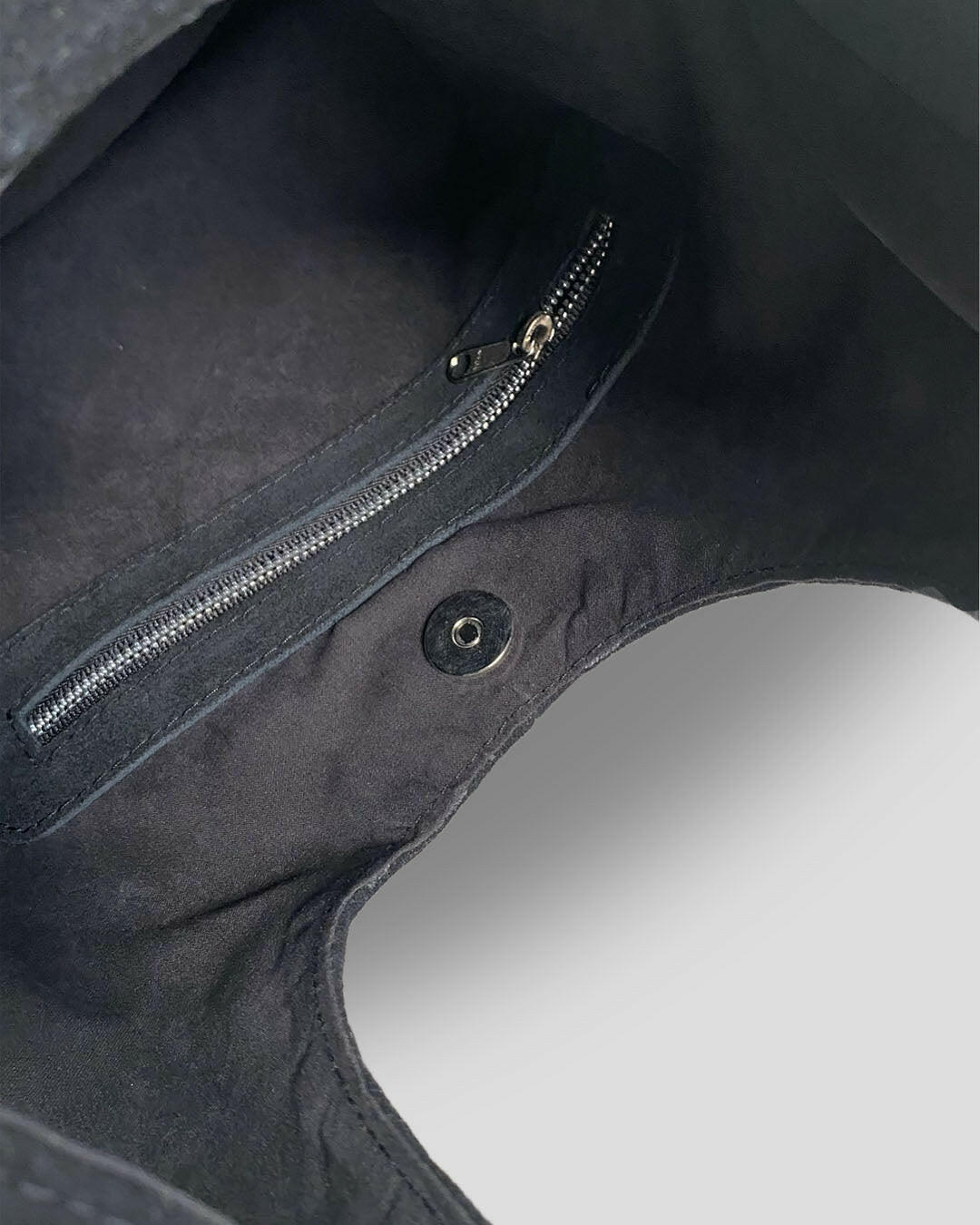
Step 4: Clean the Interior
Turn the bag upside down gently to remove dust and debris.
For fabric linings:
- Use a lint roller or slightly damp cloth to clean the surface.
For leather interiors:
- Follow the same gentle spot-cleaning method used on the exterior.
Step 5: Condition the Leather
After cleaning — and every 2–3 months regardless of cleaning frequency — apply a quality leather conditioner.
Conditioning helps:
- Restore natural oils
- Keep leather soft and flexible
- Prevent drying and cracking
- Maintain the leather’s appearance
How to Apply Leather Conditioner
- Ensure the bag is completely dry before conditioning.
- Apply a small amount of conditioner onto a clean, soft cloth.
- Work the conditioner into the leather using gentle circular motions.
- Cover the entire exterior surface, focusing on:
- Seams
- Corners
- Folded areas
- Allow the conditioner to absorb for 10–15 minutes.
- Buff lightly with a clean cloth to remove excess product.
Step 6: Protect Your Leather Bag (Optional)
For additional protection against:
- Water damage
- Stains
- Outdoor exposure
you may apply a leather protector spray after conditioning.
Use the product sparingly and always follow the manufacturer's instructions.
Always test the spray on a hidden area first.
Step 7: Proper Storage
Proper storage is just as important as cleaning.
Follow these tips:
- Stuff the bag lightly with tissue paper to help maintain its shape.
- Store it inside a breathable dust bag.
- Keep it in a cool and dry place away from direct sunlight and heat.
- Store upright whenever possible.
- Avoid placing heavy objects on top of the bag.
- Before long-term storage, condition the leather and check it every few months.
Never store leather bags in plastic bags, as trapped moisture can encourage mold growth.
What to Avoid
To protect your leather bag, avoid:
- Using hairdryers, heaters, or direct sunlight to dry wet leather
- Leaving leather bags in humid or damp environments
- Using baby wipes, alcohol wipes, or makeup removers
- Overfilling the bag, which can stretch stitching and distort its shape
- Storing leather inside plastic bags or airtight containers
Caring for Different Leather Types
Smooth Leather
The easiest leather type to maintain. It responds well to regular cleaning and conditioning.
Pebbled or Textured Leather
More resistant to visible scratches. Use a soft brush to help distribute conditioner into the grain.
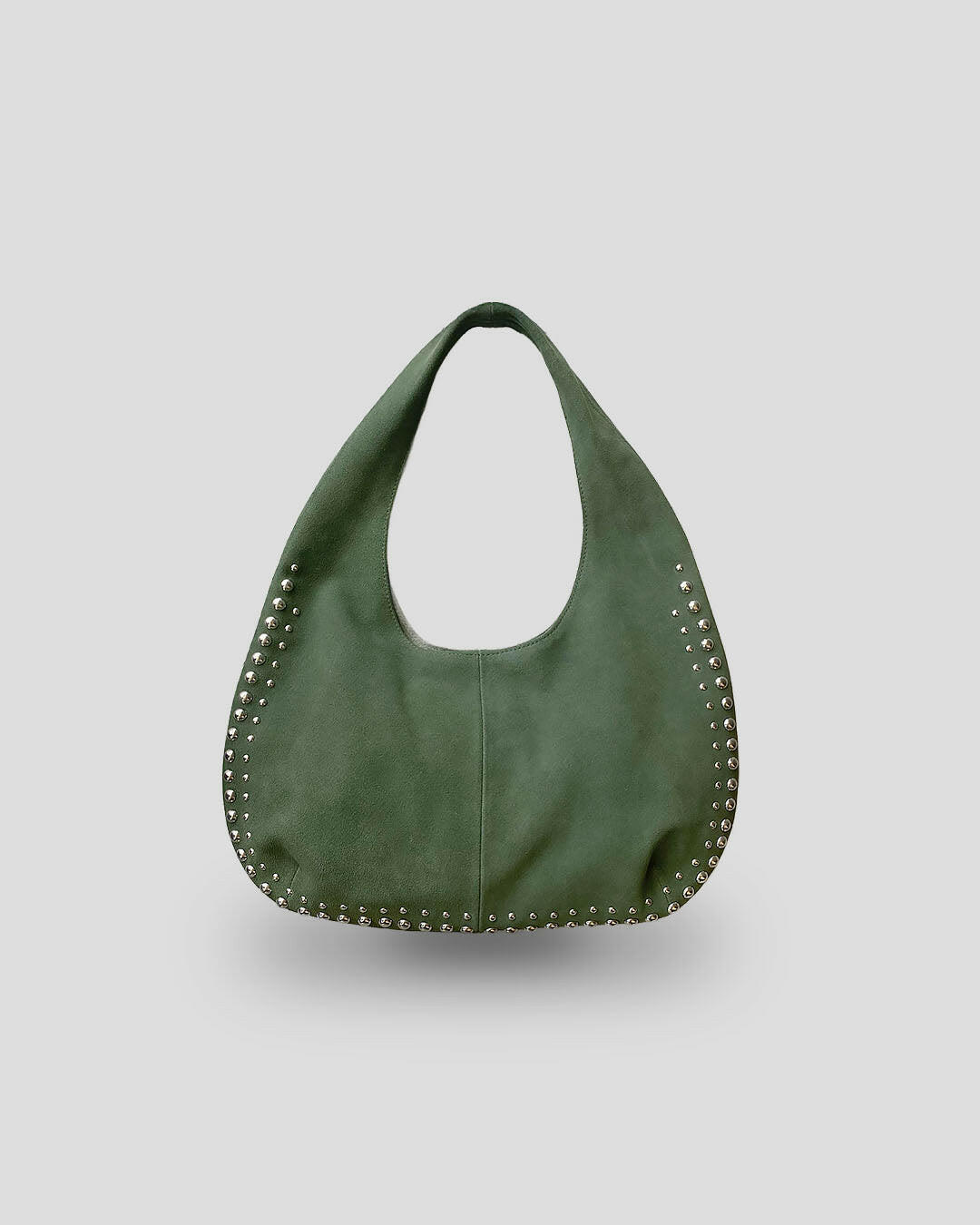
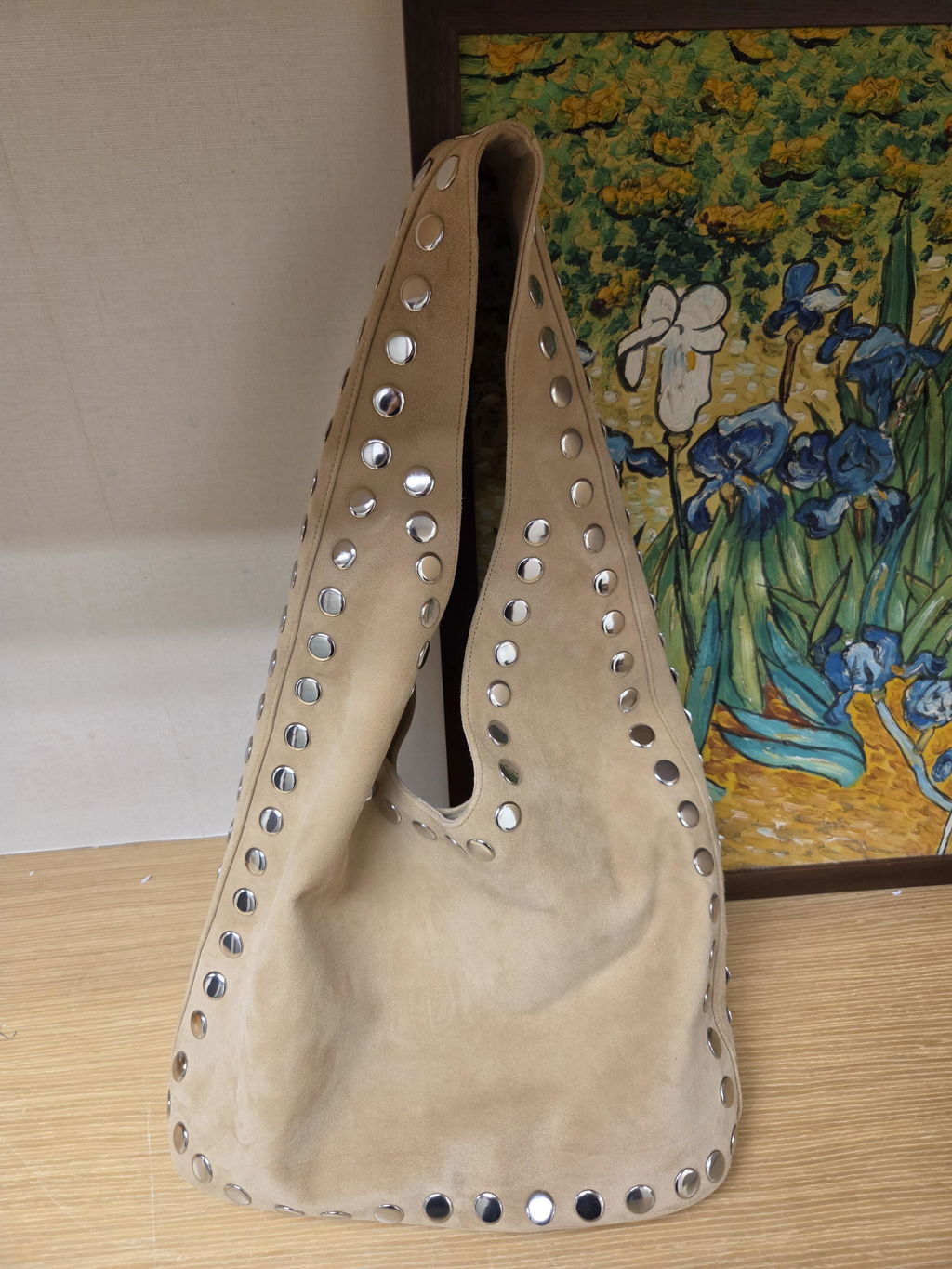
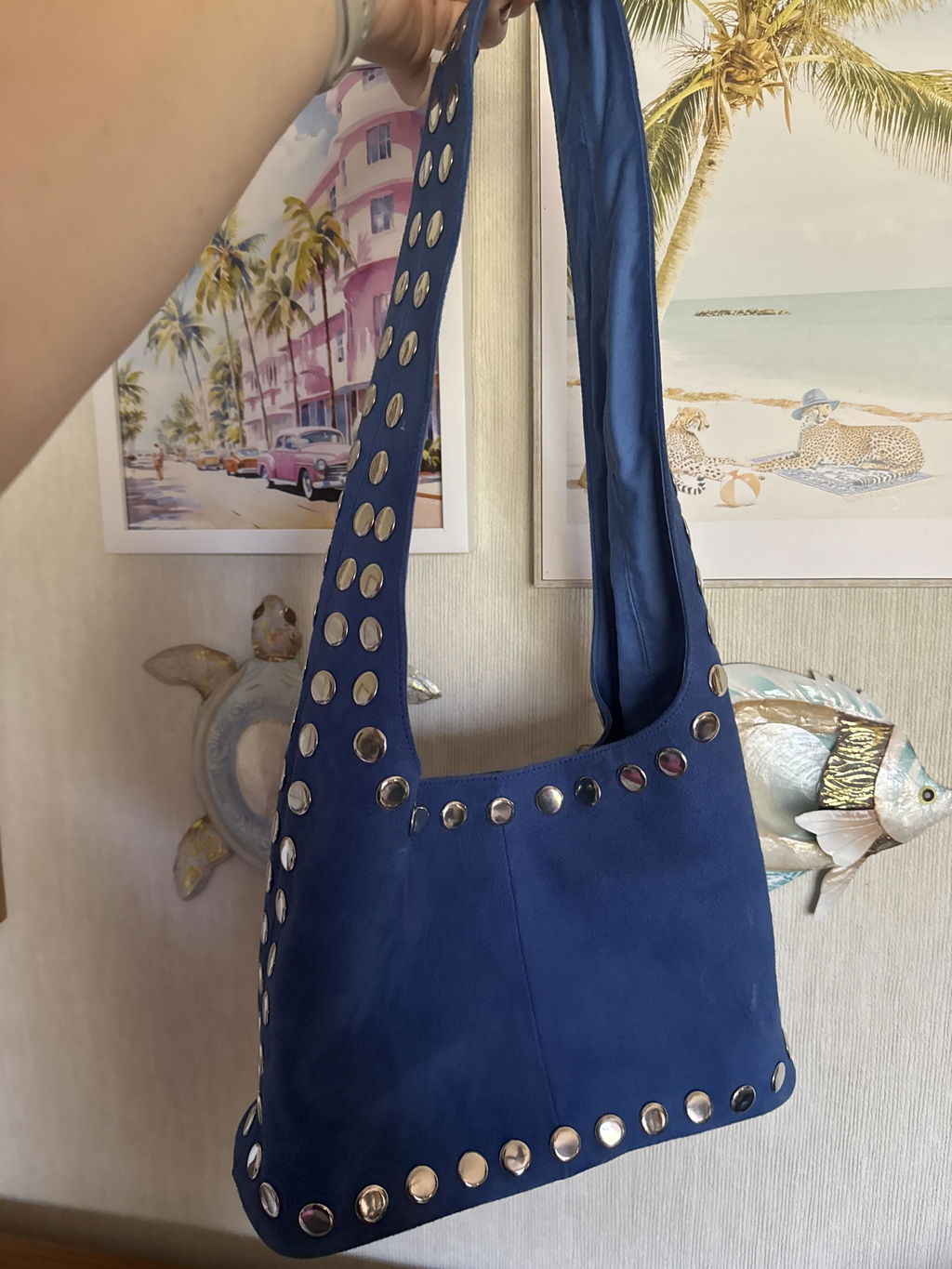
Suede and Nubuck
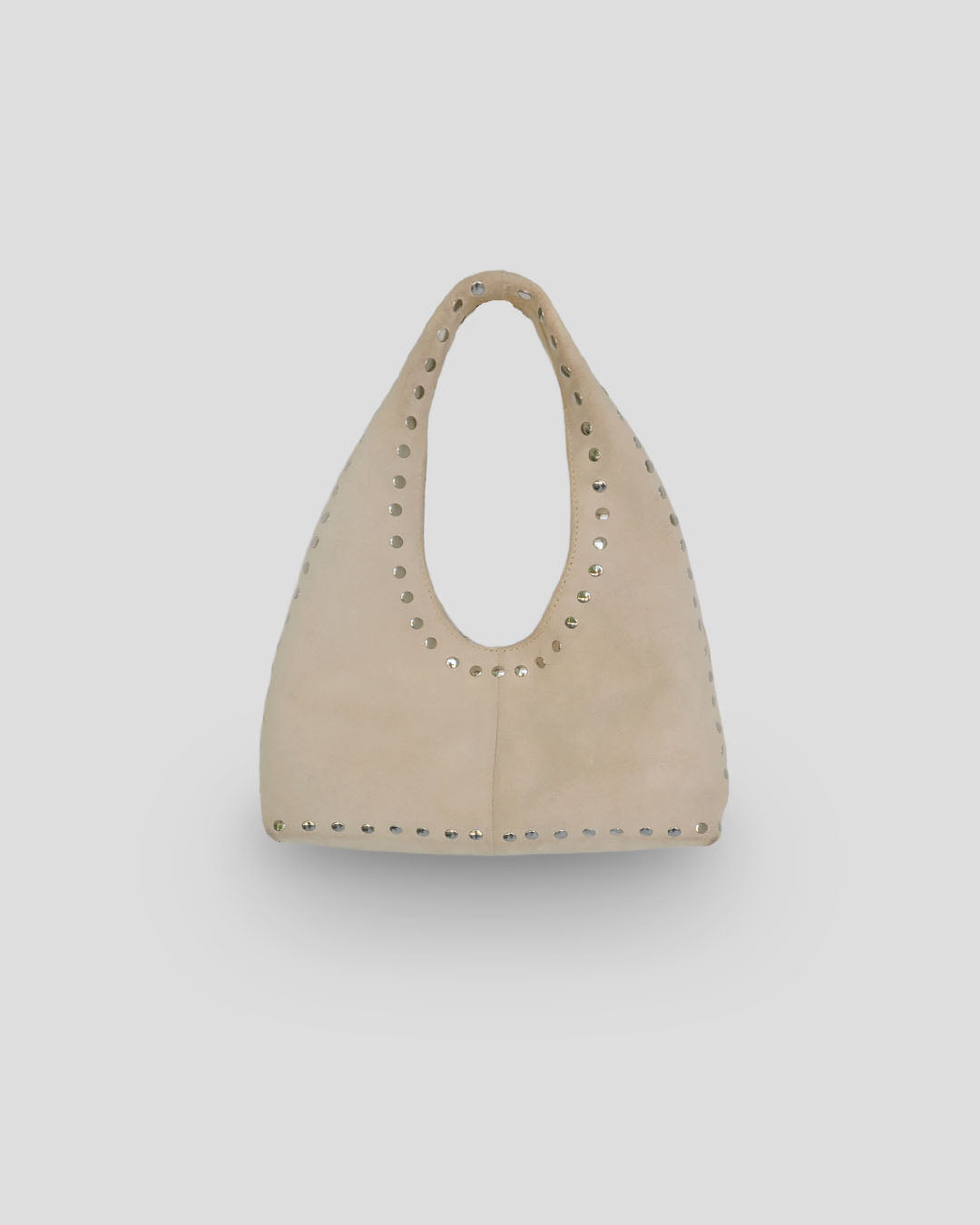
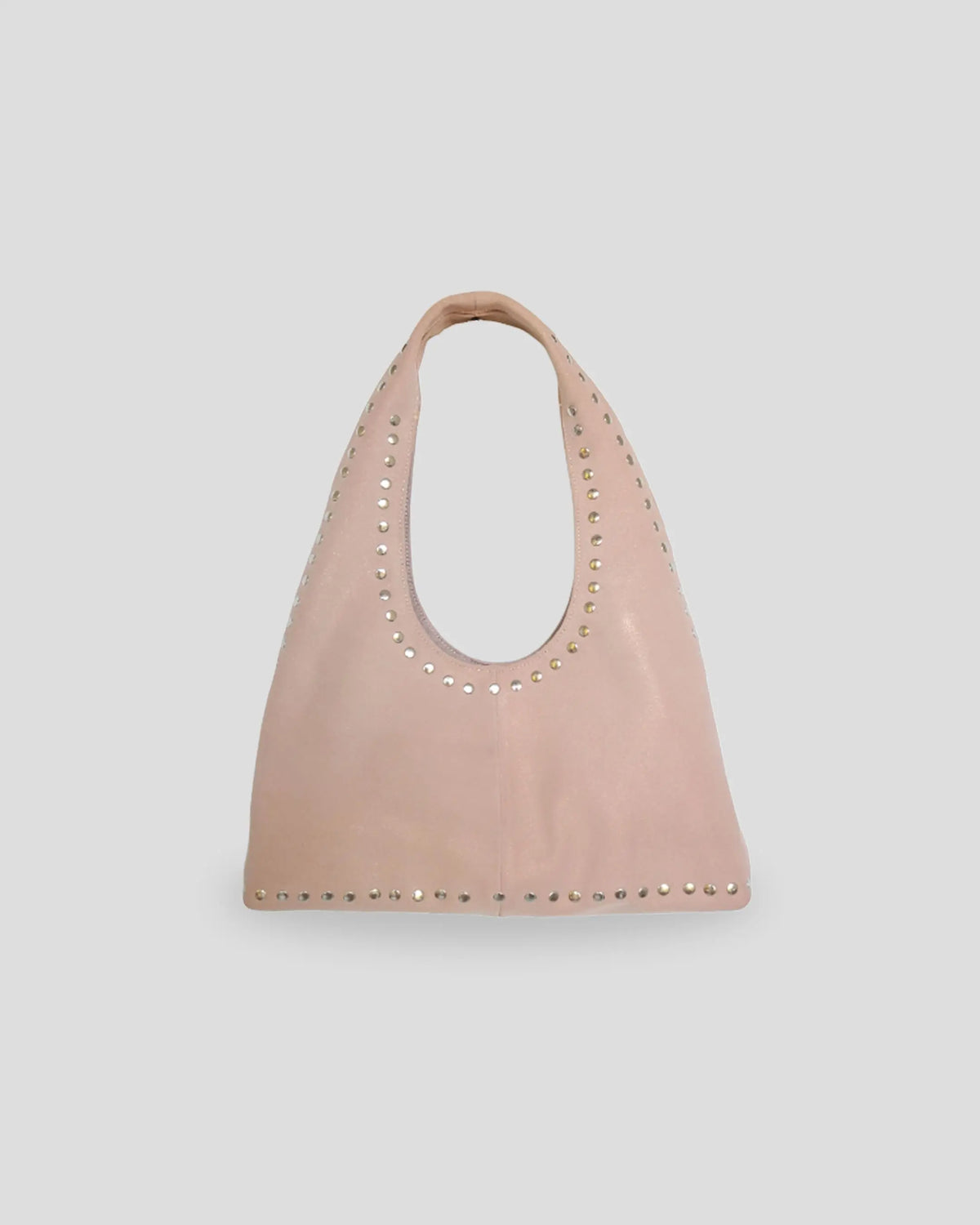
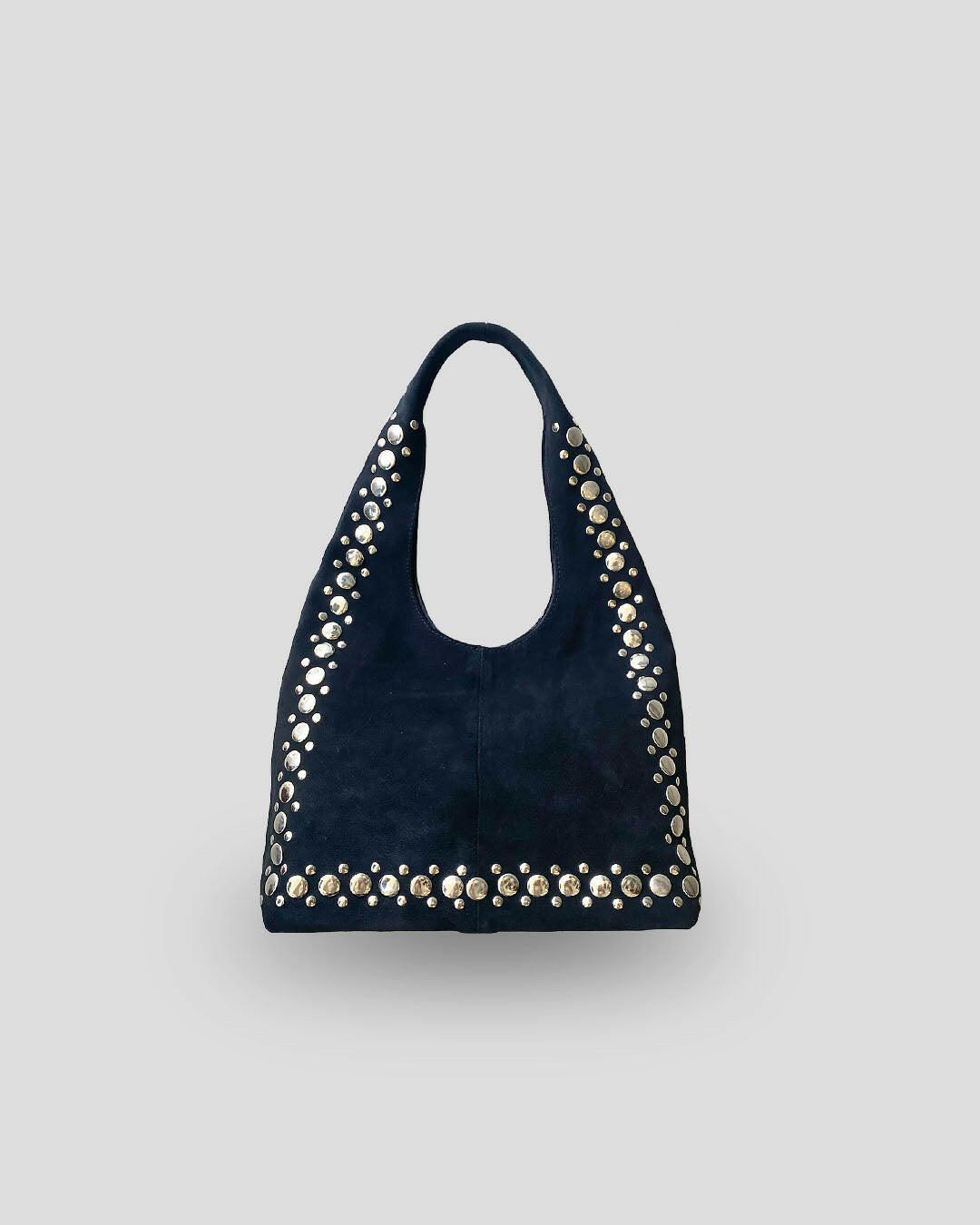
Requires specialized suede products. Do not use standard leather conditioners.
Vintage or Aged Leather
Handle carefully, as older leather can become more fragile. Use minimal moisture and gentle cleaning methods.