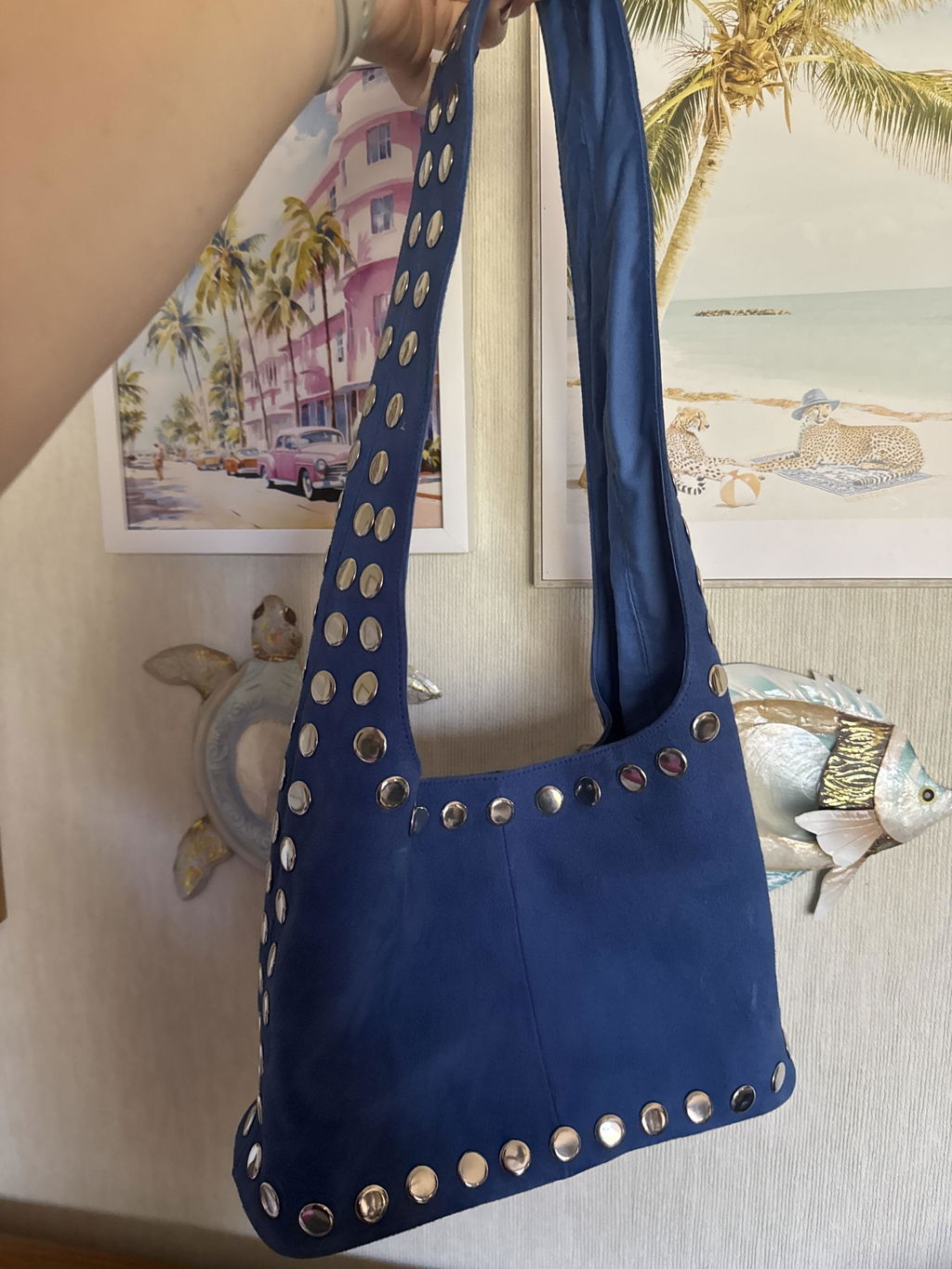
A genuine leather bag is an investment. With the right care, it can last for decades — developing a rich patina that makes it more beautiful with every passing year. But without proper maintenance, even the best leather can dry out, crack, stain, or lose its shape.
This complete guide covers everything you need to know about cleaning and maintaining your leather bag, so it stays looking its best for years to come.
What You'll Need
Before getting started, gather the following:
- Soft, dry microfibre cloths (2–3)
- Mild soap or leather-specific cleaner
- Quality leather conditioner
- Soft brush (optional, for textured leather)
- Leather protector spray (optional)
Avoid using household cleaners, alcohol-based products, or abrasive materials on genuine leather.
Step 1: Empty and Prepare Your Bag
Remove all items from your bag. Open all compartments and pockets. Shake out any loose debris.
For a thorough clean, remove any detachable straps or accessories.
Step 2: Wipe Down the Exterior
Using a soft, dry microfibre cloth, gently wipe the entire exterior of the bag to remove surface dust and dirt. Use light circular motions and avoid scrubbing.
For smooth leather, this is often enough for everyday maintenance.
Step 3: Spot Clean Problem Areas
For marks, smudges, or light stains:
1. Dampen a soft cloth with a small amount of water (not soaking wet)
2. Add a tiny drop of mild soap if needed
3. Gently work the affected area using small circular motions
4. Follow immediately with a dry cloth to remove any moisture
Always test on a hidden area first to ensure the soap doesn't affect the color or finish.
For deeper stains (such as ink or oil):
- Ink: Blot immediately with a dry cloth. Do not rub. For dried ink, consult a leather specialist.
- Oil/Grease: Blot excess with a dry cloth, then apply a small amount of talcum powder to the area and leave overnight. Brush away gently in the morning.
- Water marks: Allow to dry completely at room temperature. Most water marks on genuine leather fade naturally as the leather dries.
Step 4: Clean the Interior
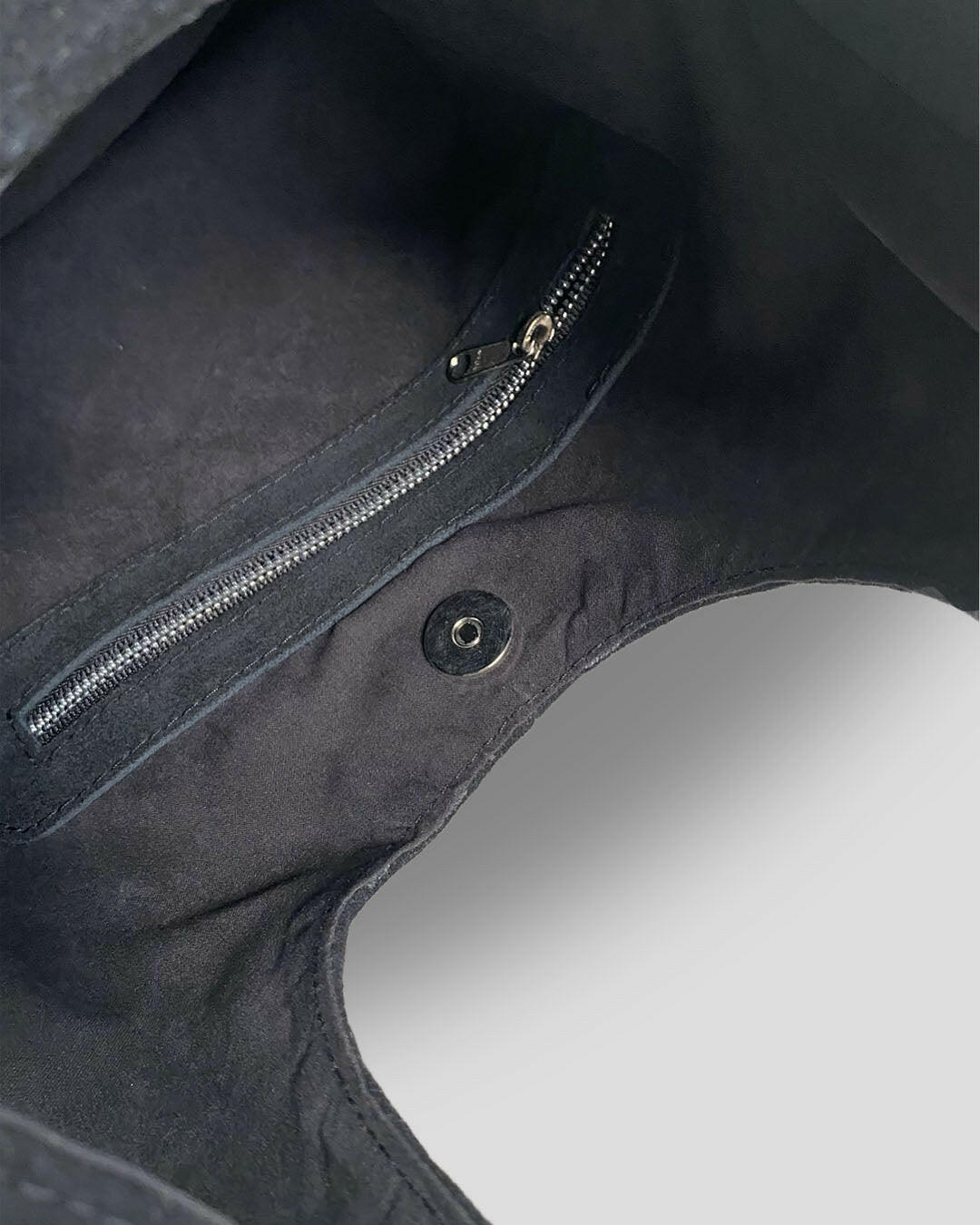
Turn the bag upside down gently to remove debris. For fabric linings, use a lint roller or a slightly damp cloth to wipe clean.
For leather interiors, use the same gentle spot-cleaning technique as the exterior.
Step 5: Condition the Leather
After cleaning — and every 2 to 3 months regardless of cleaning — apply leather conditioner to nourish the leather and prevent drying and cracking.
How to apply conditioner:
1. Ensure the bag is completely dry before conditioning
2. Apply a small amount of conditioner to a clean, soft cloth
3. Work it into the leather using gentle circular motions
4. Cover the entire exterior, paying extra attention to seams, corners, and folds
5. Allow to absorb for 10 to 15 minutes
6. Buff lightly with a clean cloth to remove any excess
Regular conditioning keeps the leather supple, prevents cracking, and helps maintain the natural oils in the hide.
Step 6: Protect (Optional)
For extra protection against water and stains — especially if you use your bag outdoors or in unpredictable weather — apply a leather protector spray after conditioning.
Use sparingly, following the product instructions, and always test on a small hidden area first.
Step 7: Proper Storage
How you store your leather bag is just as important as how you clean it:
- Stuff the bag lightly with tissue paper to help it maintain its shape
- Store in a breathable dust bag (never plastic, which traps moisture)
- Keep in a cool, dry place away from direct sunlight and heat sources
- Store upright if possible — avoid stacking heavy items on top
- For long-term storage, condition the leather before storing and check on it every few months
What to Avoid
- Never use hairdryers, heaters, or direct sunlight to dry wet leather
- Avoid leaving leather bags in damp or humid environments
- Don't use baby wipes, alcohol wipes, or makeup removers on leather
- Avoid overfilling your bag — it stresses the stitching and distorts the shape
- Never store leather in plastic bags or airtight containers
Caring for Specific Leather Types
Smooth leather: The easiest to clean. Responds well to standard conditioning.
Pebbled/textured leather: Use a soft brush to work conditioner into the grain. Slightly more resistant to visible scratches.
Suede/nubuck: Requires specialist suede products. Do not use standard leather conditioner.
Vintage/aged leather: Be gentle — aged leather can be more fragile. Use minimal moisture.
Conclusion
Cleaning and maintaining your genuine leather bag doesn't require special skills or expensive products — just a little time, the right tools, and consistent care. A Nam Leather bag, properly maintained, will reward you with decades of use and a patina that tells your unique story.