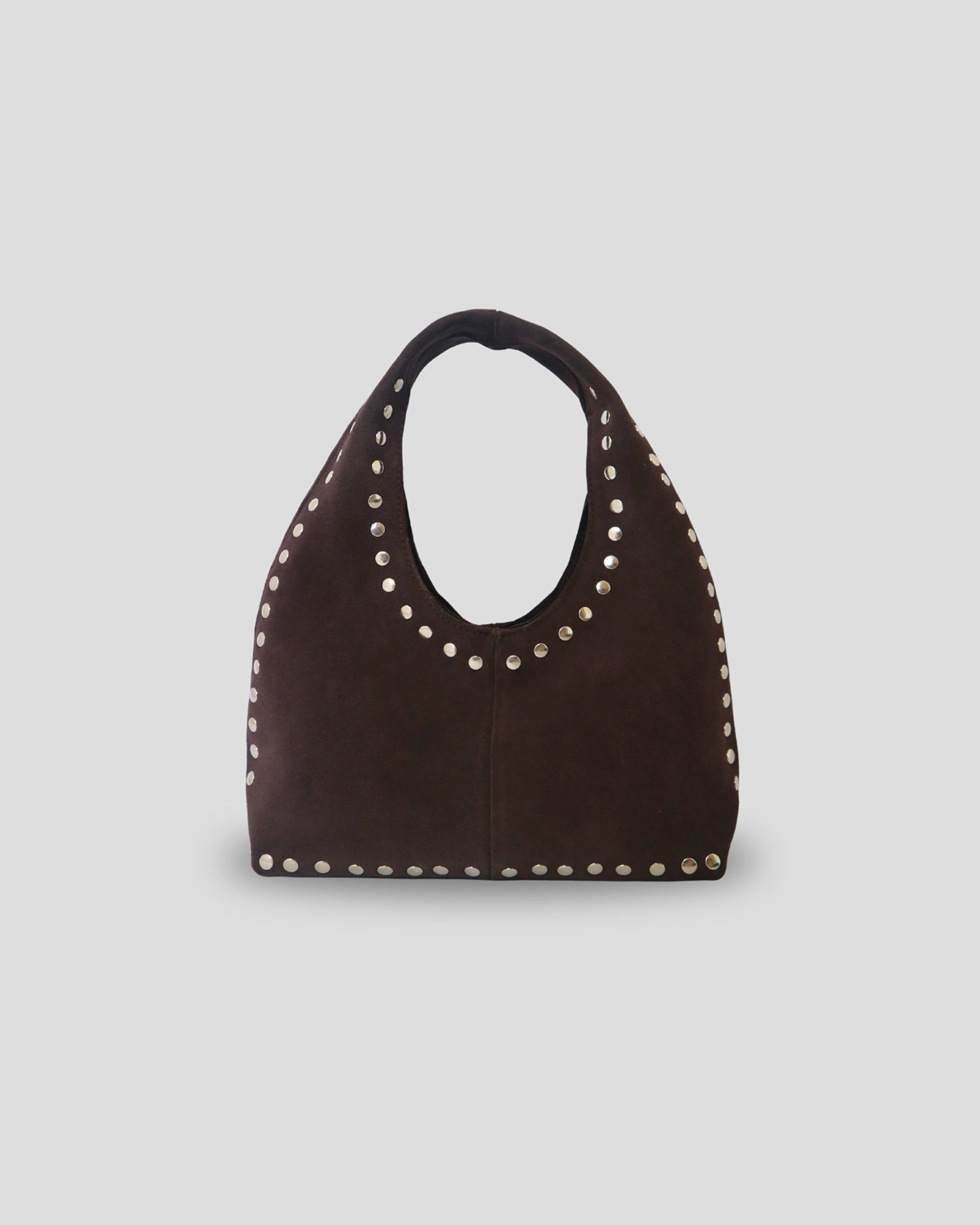
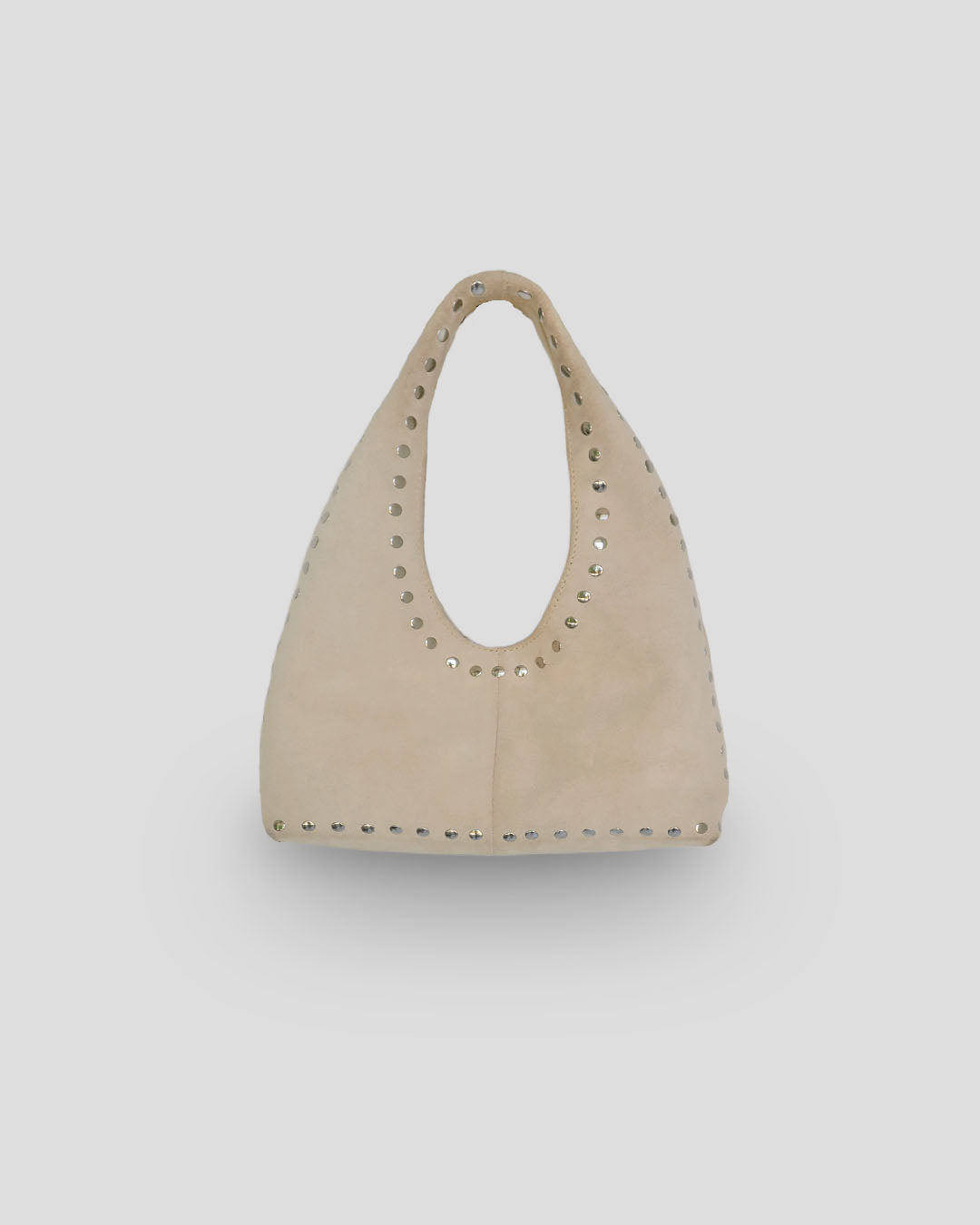
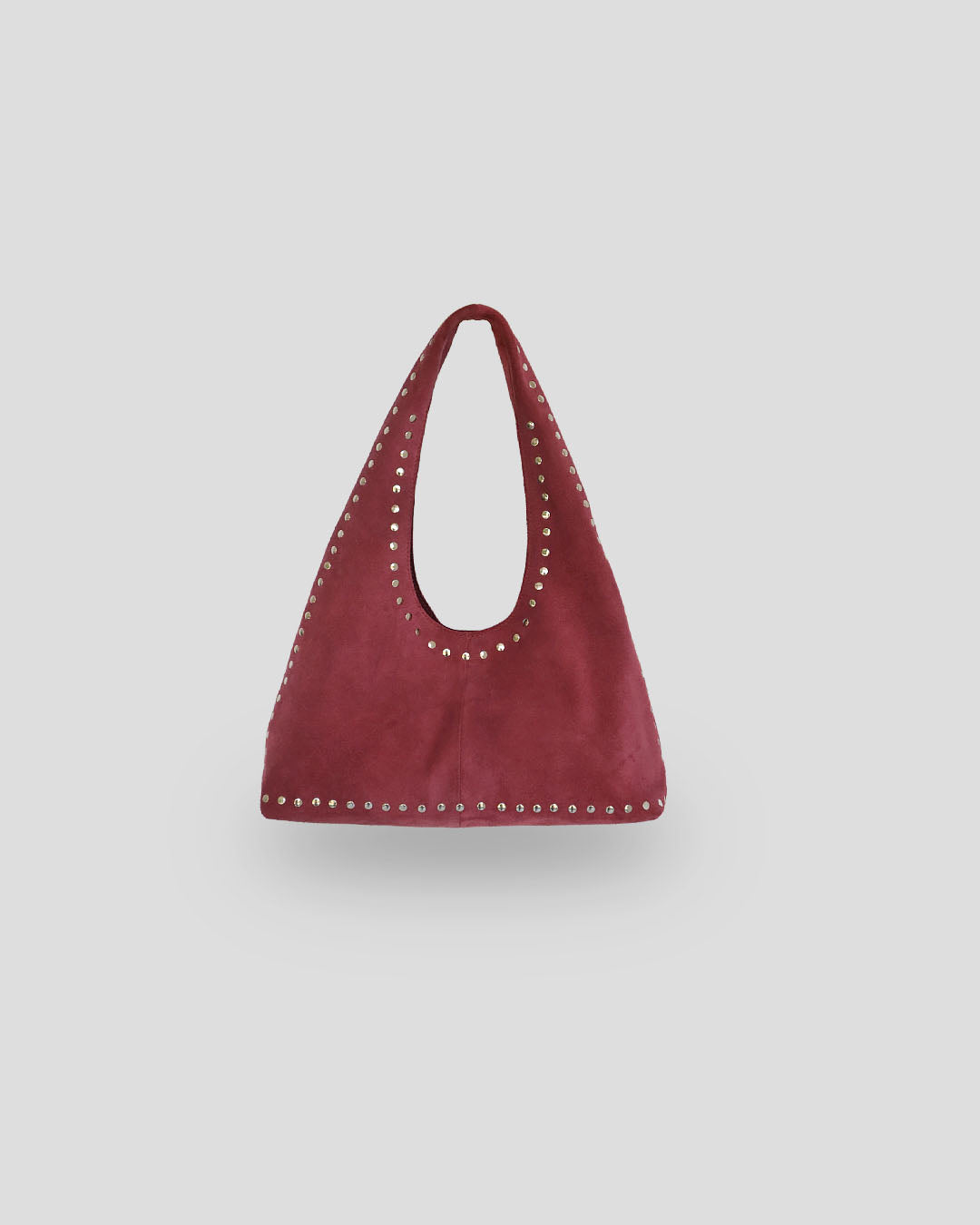
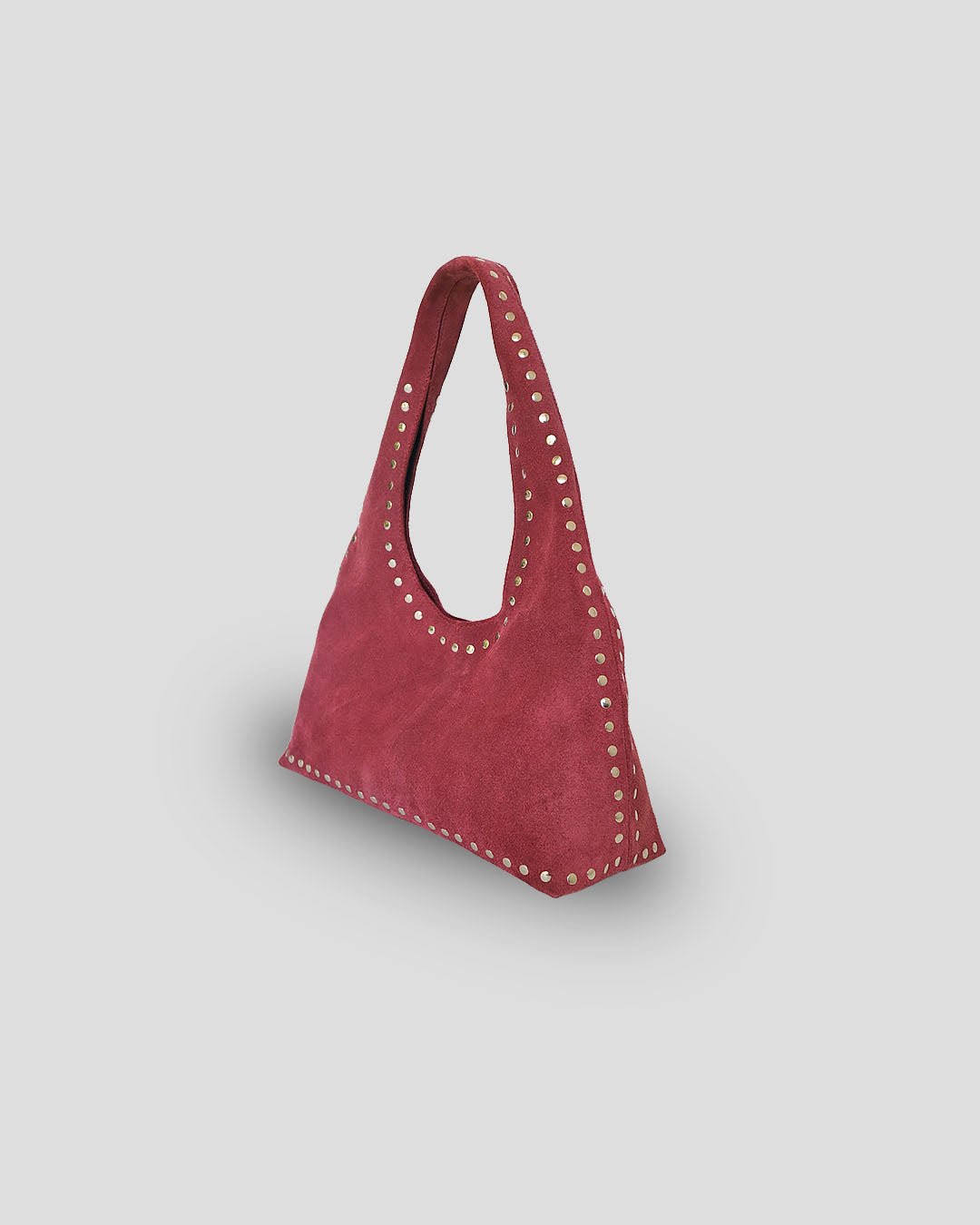
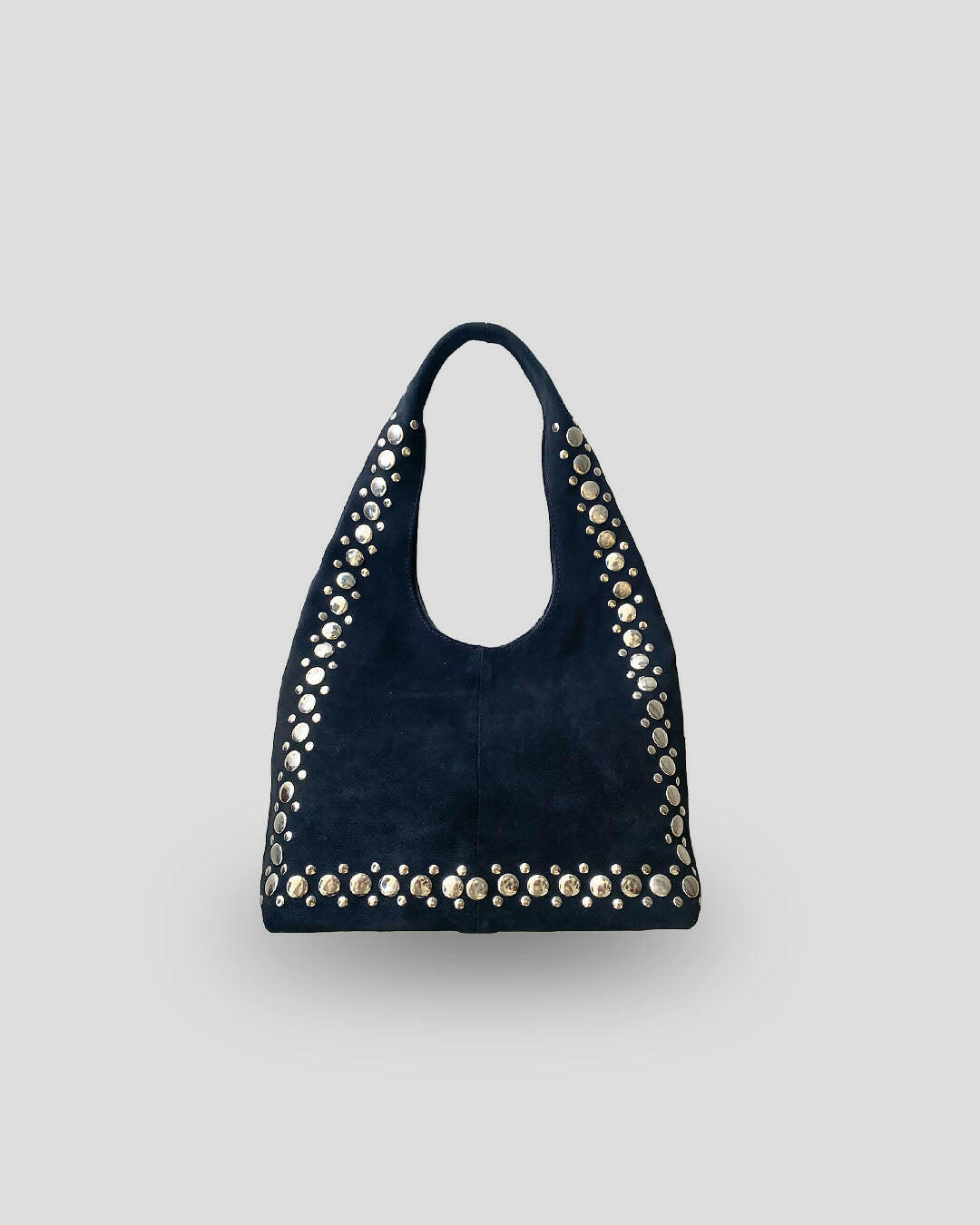
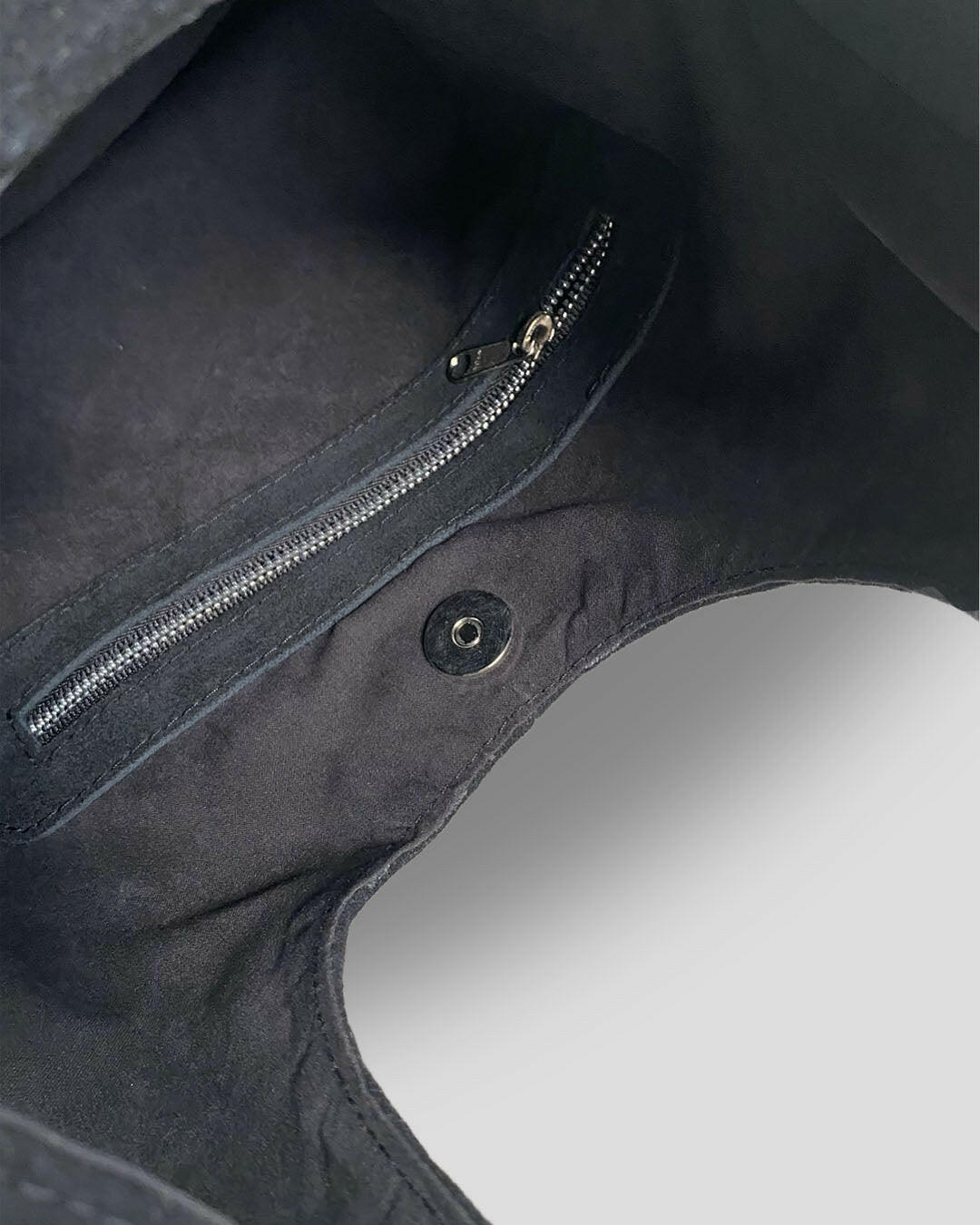
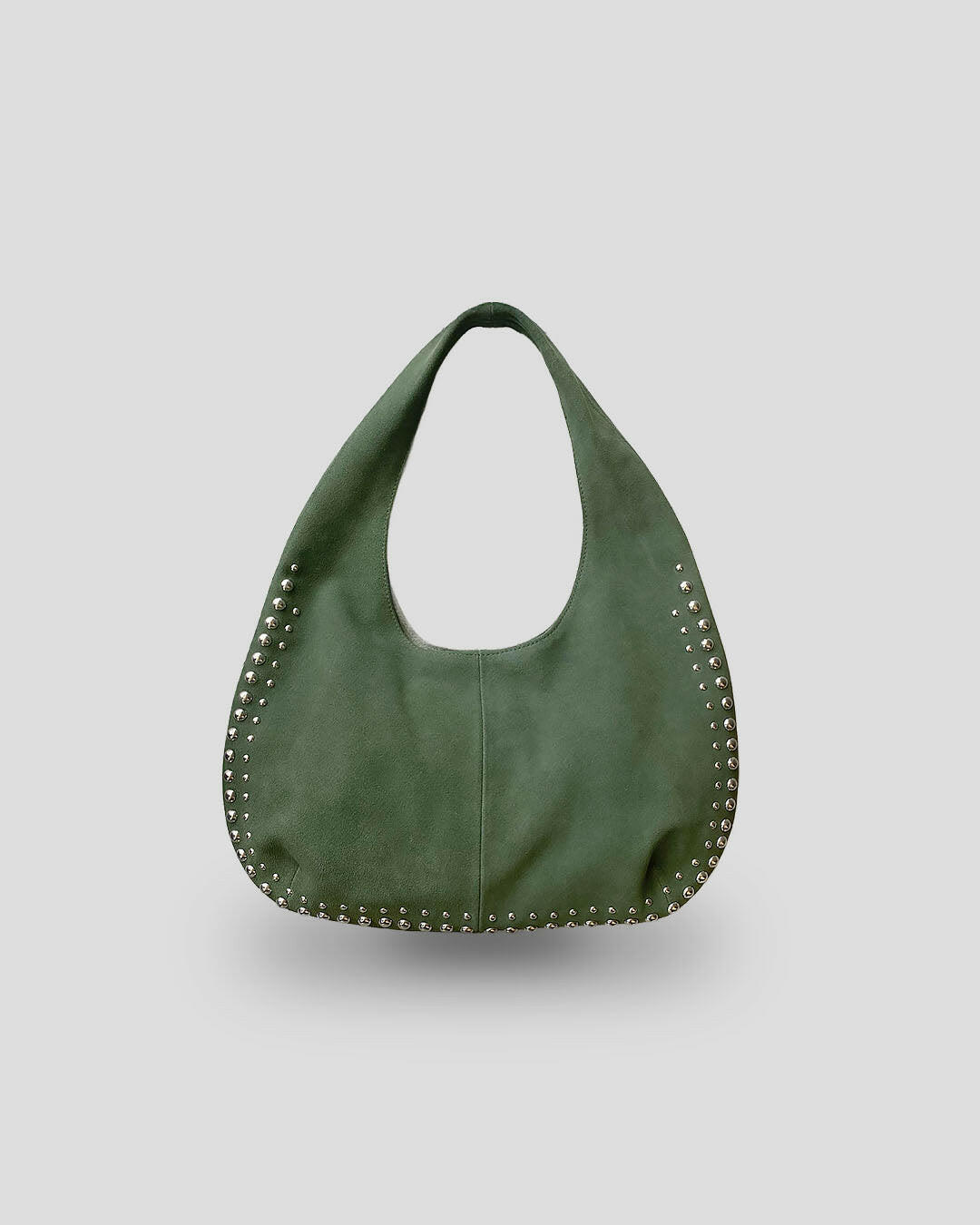
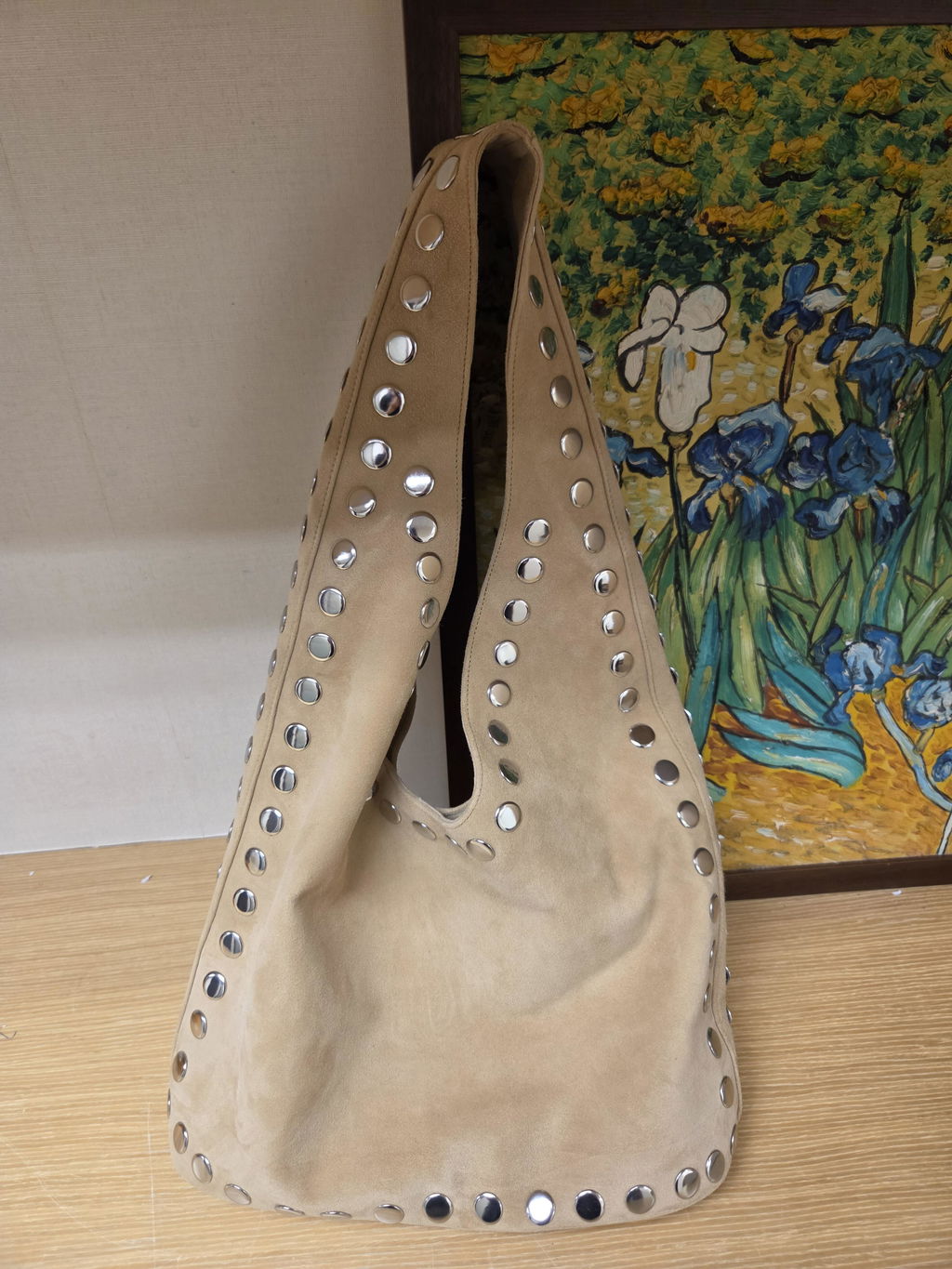
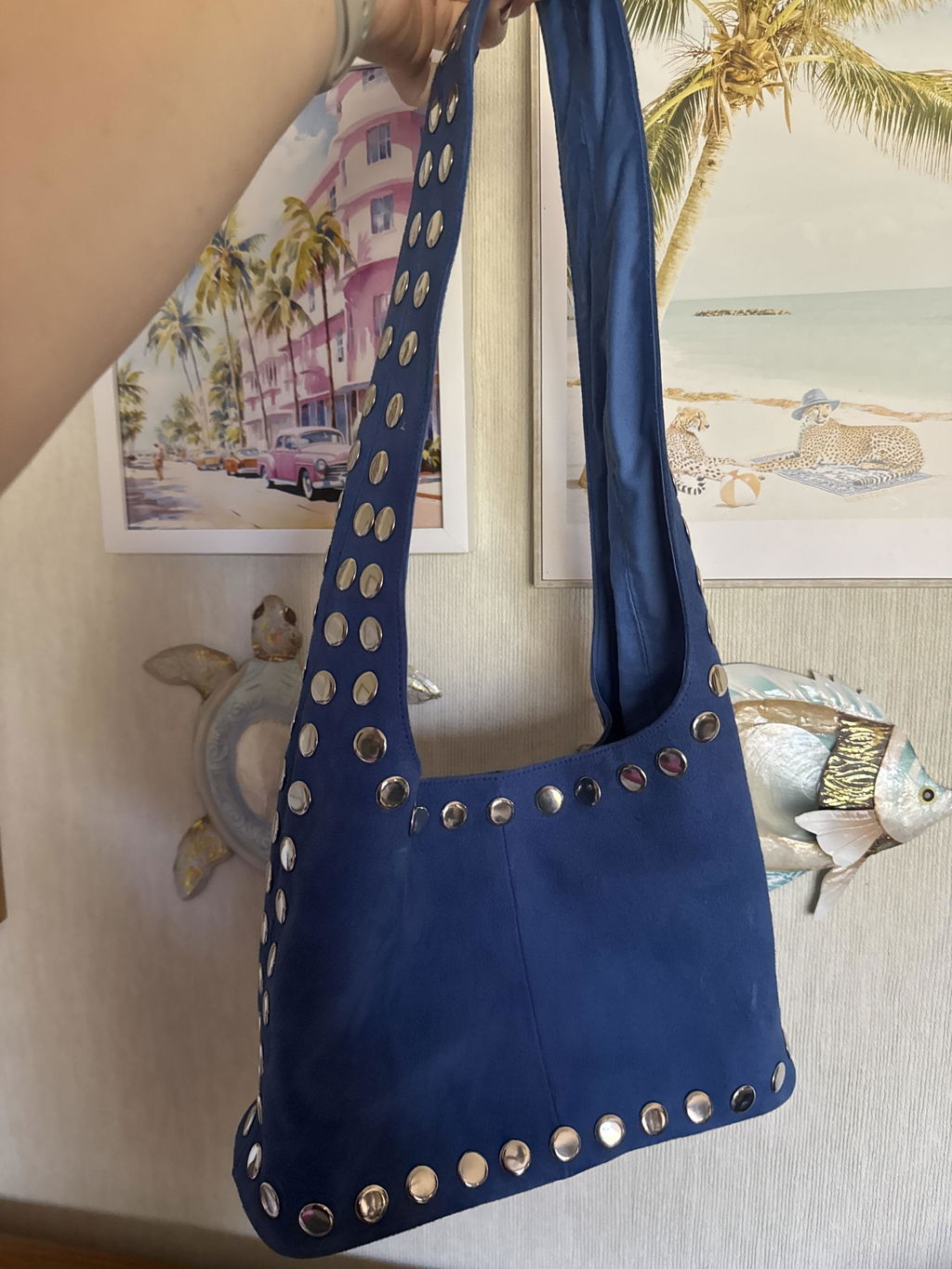
There's nothing quite like the feeling of unboxing a brand new genuine leather bag. The rich scent, the firm structure, the crisp stitching — it's everything you hoped for. But then you put it on and notice it feels stiff, rigid, and nothing like the soft, worn-in bags you've admired. Don't worry. That's completely normal.
Genuine leather is a natural material, and like a good pair of leather boots, it needs time and use to fully conform to your body and lifestyle. This guide walks you through how to break in your new leather bag properly — quickly, safely, and without damaging the material.
Why Is a New Leather Bag Stiff?
Full-grain and top-grain leather is dense, firm, and structured when new. Unlike PU or bonded leather — which is softer from the start but breaks down quickly — genuine leather retains its shape and integrity while gradually becoming more flexible with use.
The stiffness comes from the natural fibres in the hide, which haven't yet had time to relax and mould to your body or carrying style. Once they do, your bag will have that perfect, broken-in feel that no new bag can replicate.
This is actually a sign of quality. A bag that's too soft and pliable from day one is often made from lower-grade or synthetic leather.
How Long Does It Take to Break In a Leather Bag?
It depends on how frequently you use the bag and the thickness of the leather. Most genuine leather bags start softening noticeably within 2 to 4 weeks of regular daily use. Full break-in typically happens over 1 to 3 months.
You can accelerate the process safely using a few techniques — but patience is still the most important ingredient.
Step-by-Step: How to Break In a New Leather Bag
1. Use It Daily
The most effective way to break in leather is simply to use it. Carry it every day. Pack it with your regular essentials. The movement, pressure, and heat from daily use naturally softens and moulds the leather to your habits.
Avoid using it only occasionally — that slows the process significantly.
2. Condition the Leather
Applying a quality leather conditioner is one of the best ways to soften stiff leather safely. Choose a product specifically designed for genuine leather bags — not shoe polish or generic oils.
How to apply:
- Clean the bag surface gently with a soft, dry cloth
- Apply a small amount of conditioner using circular motions
- Allow it to absorb for 10 to 15 minutes
- Buff lightly with a clean cloth
Conditioner moisturises the leather fibres, making them more supple and flexible. It also protects against cracking and adds a subtle sheen.
3. Flex and Massage the Leather
Gently flex the bag by hand in areas that feel particularly rigid. Focus on the sides, base, and flap (if applicable). Massage the leather with your palms using firm, circular pressure.
Do this daily for 5 to 10 minutes for the first week. You'll notice the leather becoming noticeably more pliable.
4. Stuff It Properly
When not in use, fill your bag with soft materials (such as tissue paper, bubble wrap, or a small towel) to help it hold its shape and gently stretch the leather from the inside. Don't overstuff — the goal is gentle, consistent pressure.
This is particularly useful for structured bags that need to loosen up around the gussets and base.
5. Expose to Gentle Warmth
Leather relaxes when gently warmed. Carrying your bag in warm weather, or leaving it in a naturally warm room (not in direct sun or near a heat source), can help accelerate softening.
Never use a hairdryer, oven, or direct sunlight to force the process — heat damage to leather is irreversible.
6. Try a Leather Softener (Optional)
If you need faster results, a dedicated leather softener or neatsfoot oil can work well on thicker leather. Apply sparingly and test on a hidden area first, as some products can darken the leather slightly.
What Not to Do When Breaking In Leather
- Don't use water to soften leather: Getting leather wet can cause staining, water marks, and stiffness after drying.
- Don't use cooking oil or petroleum products: These can damage the leather fibres and cause long-term discolouration.
- Don't force it: Aggressive bending or twisting can stress the stitching and cause the leather to crack before it's ready.
- Don't rush with heat: High, direct heat dries out leather and causes irreversible cracking.
What to Expect After Breaking In
Once your Nam Leather bag is fully broken in, you'll notice:
- A naturally soft, supple feel that moulds comfortably to your body
- A developing patina — a rich, warm sheen that gives genuine leather its unique character
- More flexibility at the bag's joints and openings
- The leather will still hold its structure, just with a lived-in quality
This is the moment most leather owners love — when the bag stops being something you own and starts feeling like an extension of you.
Caring for Your Leather Bag Long-Term
Once broken in, continue to:
- Condition every 2 to 3 months
- Keep it away from extended water exposure
- Store it stuffed in a dust bag when not in use
- Clean minor marks with a damp cloth and dry naturally
A well-cared-for Nam Leather bag can easily last 10 to 20 years with basic maintenance.
Conclusion
Breaking in a new leather bag is a process, not a problem. Genuine leather is designed to soften with use — that's part of what makes it special. Use it daily, condition it regularly, and give it time. The result is a bag that feels uniquely yours.