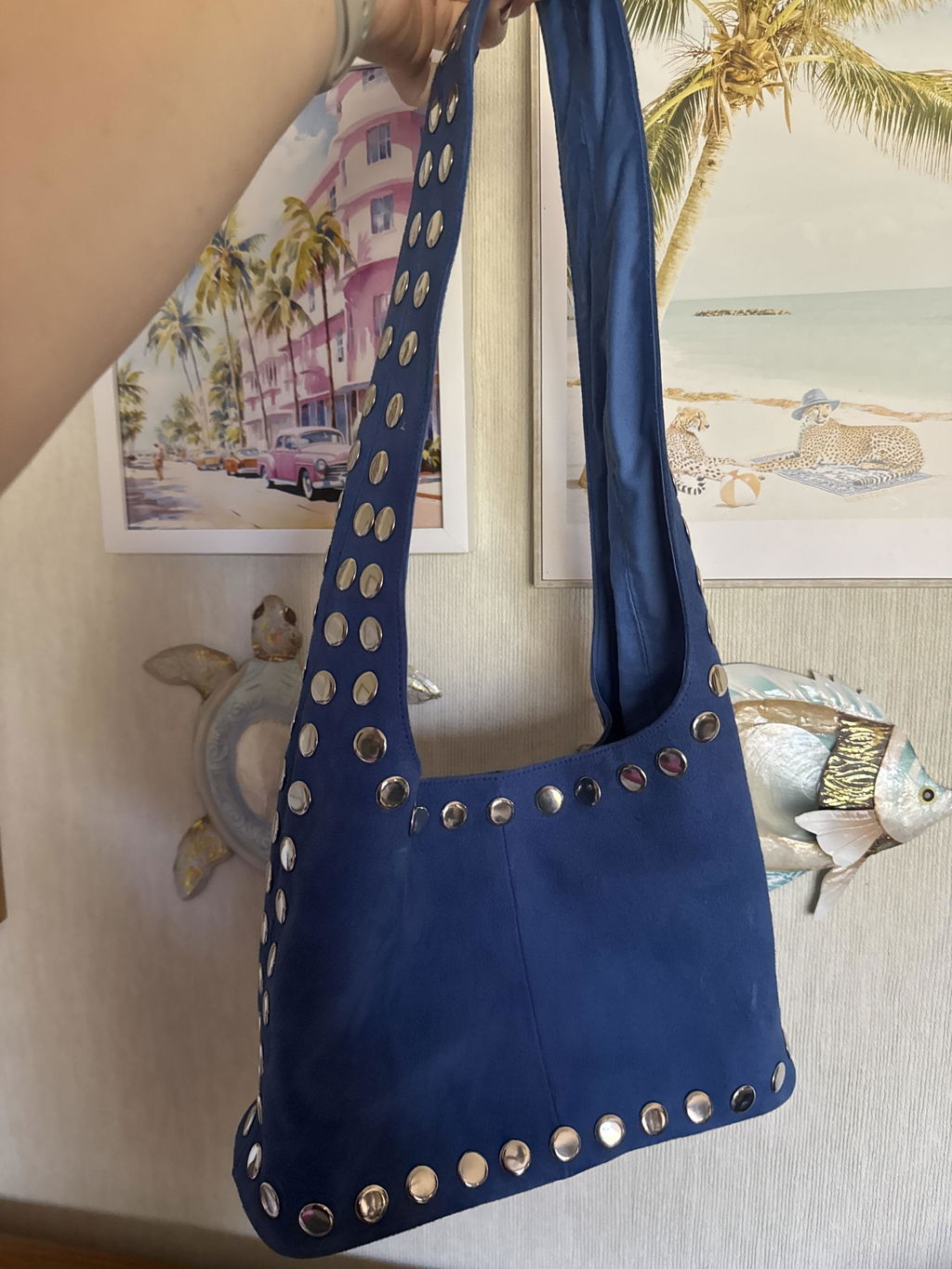
Most leather bag owners focus on daily care — cleaning, conditioning, and protecting the leather during use. But how you store a leather bag when you're not using it is equally important. Poor storage can cause permanent damage: misshapen structure, cracked leather, mildew, colour transfer, and deep creasing that never fully recovers.
This guide covers everything you need to know about storing your genuine leather bag correctly, whether you're storing it overnight or for an extended period.
Why Proper Storage Matters
Genuine leather is a natural, breathable material. It responds to its environment — absorbing moisture in humid conditions, drying out in dry ones, and retaining the shape of whatever it's resting on for extended periods.
Poor storage habits can cause:
- Permanent creasing and deformation of the bag's structure
- Cracking from dryness or excessive heat
- Mildew from trapped moisture in airtight packaging
- Colour transfer from other materials resting against the leather
- Scratches from contact with hardware or rough surfaces
- Fading from prolonged exposure to sunlight
With the right approach, these problems are entirely preventable.
Step 1: Clean and Condition Before Storing
Before putting your bag away — especially for extended storage — clean the exterior and apply leather conditioner. This removes dirt that could stain the leather over time and ensures the leather is properly moisturised before going into storage.
A bag stored dirty will have a harder time recovering than one stored clean.
Step 2: Empty the Bag Completely
Always empty your bag before storing it. Items left inside create pressure points and uneven weight distribution that can distort the bag's shape over time. Pens, sharp objects, and cosmetics left inside can also stain or damage the interior.
Step 3: Stuff the Bag
For structured bags, fill the interior with soft, clean stuffing material to help the bag hold its natural shape during storage. Good options include:
- Acid-free tissue paper
- Bubble wrap (wrapped in a clean cloth to prevent texture transfer)
- A clean, soft cloth
- Air pillows or foam inserts sized for the bag
Avoid newspaper (the ink can transfer) and plastic bags (which trap moisture and promote mildew).
For unstructured or soft bags, light stuffing prevents deep creasing in the leather.
Step 4: Use a Dust Bag
Store your leather bag in a breathable dust bag — ideally the one it came with, or a cotton/canvas alternative. A dust bag:
- Keeps dust and light off the leather
- Allows the leather to breathe (preventing mildew)
- Protects against colour transfer from other items
Never store leather in plastic bags, vacuum bags, or airtight containers. Plastic traps moisture and prevents the leather from breathing, which can lead to mildew, odour, and surface damage.
Step 5: Choose the Right Storage Location
Where you store your bag matters as much as how you store it:
Good storage locations:
- A cool, dry, and well-ventilated area
- Inside a wardrobe or closet, away from direct sunlight
- A shelf where the bag can sit upright without being crushed
Avoid:
- Direct sunlight (causes fading and dries out the leather)
- High humidity areas like bathrooms or basements (promotes mildew)
- Extreme heat (near radiators, in cars on hot days, etc.)
- Damp or musty spaces
Step 6: Store Upright When Possible
For structured bags, store upright (standing on their base, not lying on their side or upside down). This distributes weight evenly and maintains the bag's natural silhouette.
For shoulder bags with long straps, avoid letting the strap hang freely for extended periods — long-term tension can stretch the leather. Coil the strap loosely inside or around the bag.
Long-Term Storage Tips
If you're storing a bag for a month or more:
1. Condition thoroughly before storage
2. Check on the bag every 1 to 2 months
3. Allow the bag to breathe periodically — take it out of the dust bag and let it air for a day
4. Re-condition if the leather feels dry when you check it
5. Keep silica gel packets inside the dust bag (not directly touching the leather) to absorb excess moisture in humid climates
Handling Bags You Haven't Used in a While
If you pull out a bag that's been in storage and find:
- Dry or stiff leather: Apply conditioner and allow to absorb thoroughly
- White powdery residue (efflorescence): Wipe gently with a dry cloth; this is natural salt residue from the leather
- Musty odour: Air the bag out in a dry, ventilated space for 24 to 48 hours
- Light mildew: Wipe gently with a cloth dampened with white vinegar solution; allow to dry naturally
Conclusion
Proper storage is an extension of leather care. A few minutes of thoughtful preparation before putting your bag away can prevent years of potential damage.
A Nam Leather bag, stored correctly, will still look and feel beautiful when you bring it back out — whether that's tomorrow or five years from now.